Skip to main content
Monday–Friday · 9:00 AM – 5:00 PM ET·independent · Insuring businesses nationwide


Commercial Insurance Blog
Commercial insurance, made practical.
Understand the coverage choices, contracts and risks that matter to your business. Explore guides for your industry, practical policy comparisons and state-specific requirements.
All posts
Browse all 59 commercial insurance guides

Coverage comparisons
Additional Insured vs Certificate Holder: What Business Owners Should Know
A client, landlord, or contractor may ask for a certificate of insurance and ask to be named as an additional insured. Those requests are not interchangeable. A certificate holder receives evidence of your insurance. An…
7 min read
Read guide

Security services
Armed Guard Insurance: Assault, Battery & Firearms Exclusions
Your armed-security firm can meet a client's $1 million general-liability requirement and still have a critical gap in a firearm-, restraint-, or use-of-force allegation. The practical answer is to compare the actual…
8 min read
Read guide

Security services
Armed Security Insurance Cost: What Changes the Price—and the Protection
Trying to budget for armed-security insurance? The price depends on the work your guards do and the protection the policy provides when an incident happens—not just the number of guards or the liability limit shown on a…
7 min read
Read guide
Compliance & renewals
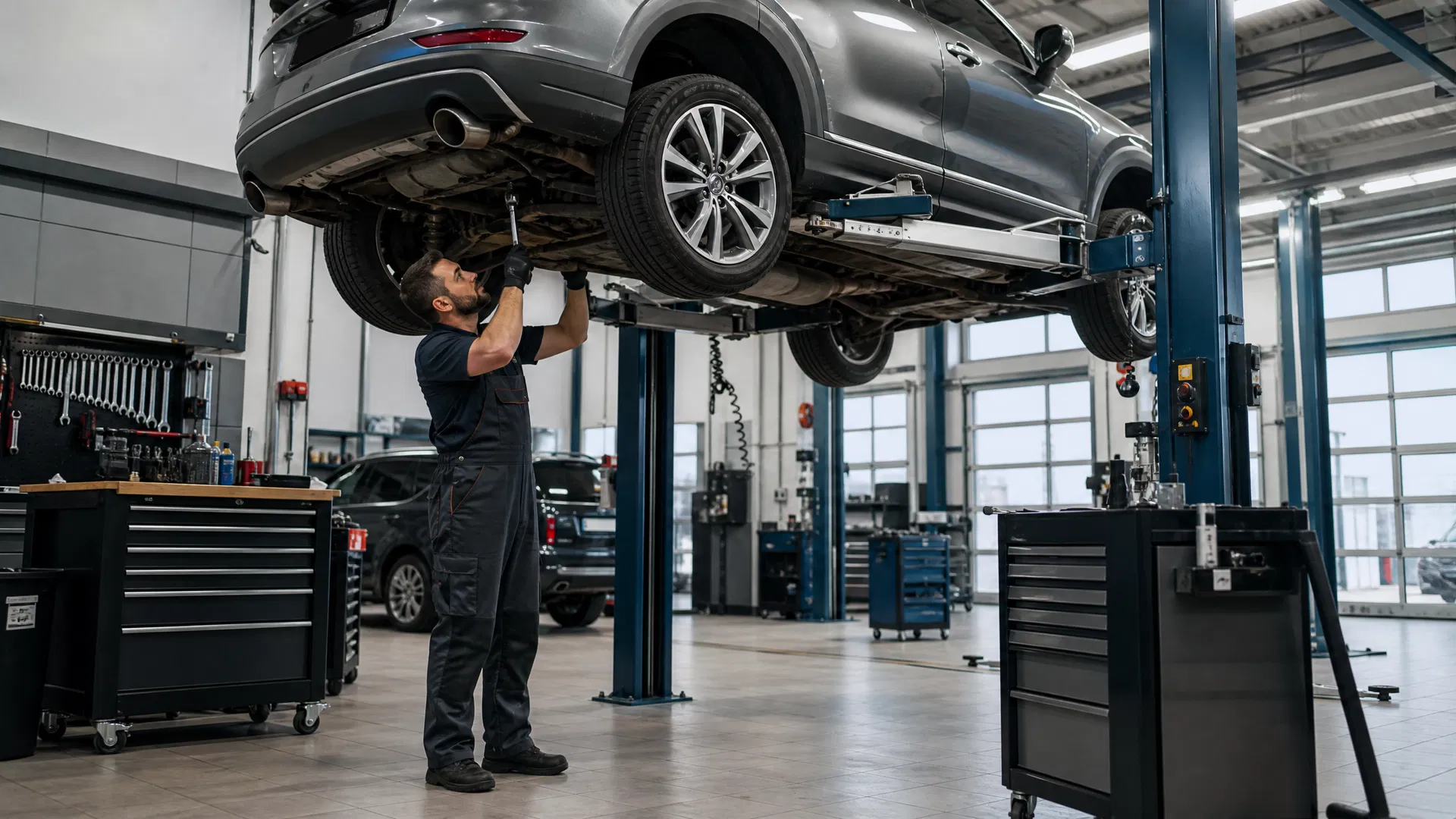
Auto Repair Shop Insurance Checklist
If customer cars are in your bays, a basic liability policy alone may leave important gaps. This auto repair shop insurance checklist helps you separate protection for injuries and third-party damage from protection for…
8 min read
Read guide

Coverage comparisons
BOP vs General Liability Insurance: What Is the Difference?
General liability insurance helps protect your business when someone else claims your operations injured them, damaged their property, or caused certain advertising-related harm. It does not insure your building,…
7 min read
Read guide

Trucking
Box-Truck and Final-Mile Brokered Freight: Insurance Before Dispatch
Before accepting a brokered final-mile load in a box truck, identify the motor carrier, determine whether authority applies, and compare the truck, cargo and delivery-service protection to the actual run.
7 min read
Read guide

Trucking
Broker and Shipper COI Requests: What Motor Carriers Must Check Before Dispatch
A broker or shipper needs your certificate of insurance (COI). Learn what it can show, what it cannot change, and how to compare the request with your cargo and auto coverage before dispatch.
5 min read
Read guide
Trucking
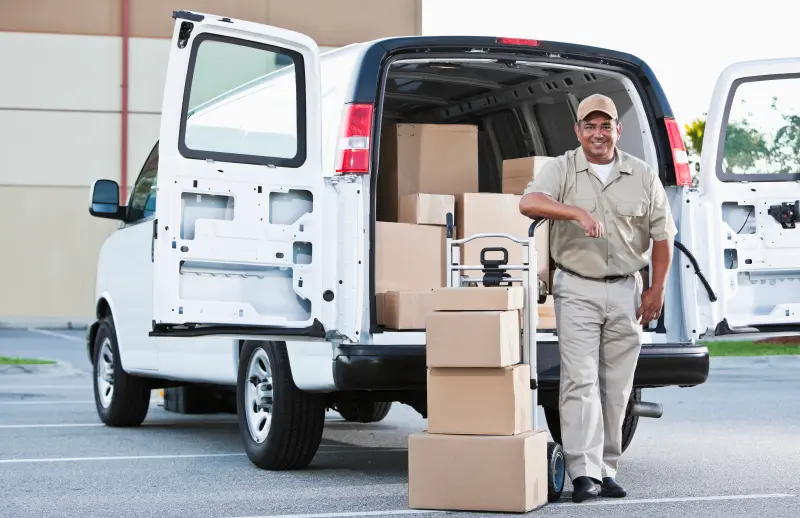
Brokered Expedite Loads: Cargo Van and Hot-Shot Insurance Questions
Before accepting a brokered expedite load, make sure the scheduled van or pickup-and-trailer, authority or lease, insurance in force and broker's written requirements all line up.
6 min read
Read guide
Trucking
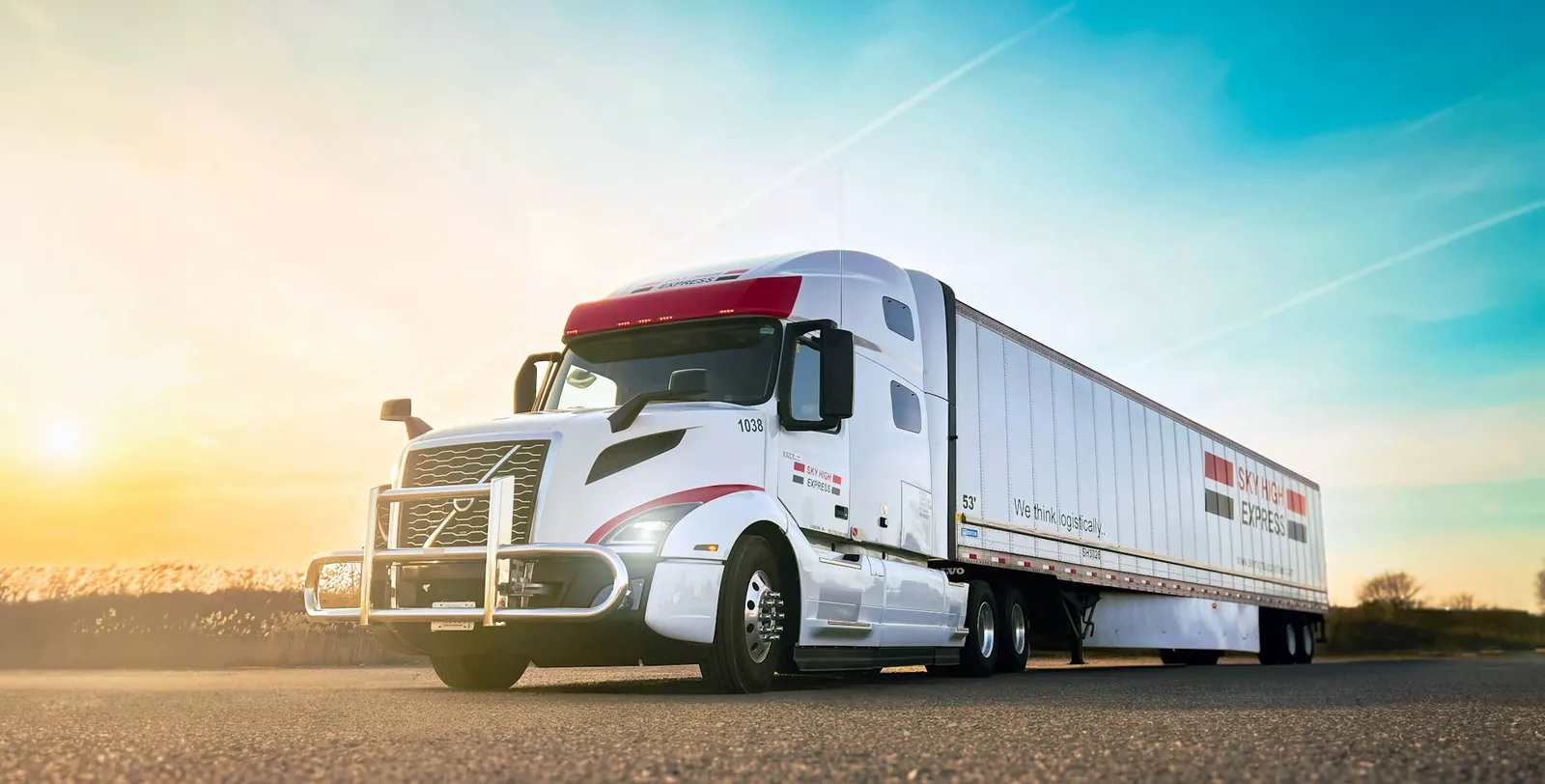
Brokered Freight Cargo Insurance: Reefer, Theft and High-Value Loads
Before accepting a brokered load, compare the actual shipment with your motor truck cargo terms. Check the commodity, highest value on one truck, reefer or theft exposure and contract requirements—not just the cargo limit on a certificate.
5 min read
Read guide

Coverage explainers
Builders Risk Insurance Explained: Who Needs It and What It Covers
You have money, materials, and a completion date committed to a project—but a partly built or renovated property is not protected like a finished building. Builders risk insurance can insure defined project property…
9 min read
Read guide

Compliance & renewals
Business Insurance Renewal Checklist: What to Review Before You Renew
A renewal is your chance to make sure last year’s policy still fits the business you run today. Before you renew, compare your declarations and endorsements with changes in your operations, income, property, vehicles,…
8 min read
Read guide

Compliance & renewals
7 Certificate of Insurance Mistakes Contractors Can Avoid
If a general contractor (GC) says your certificate of insurance (COI) does not meet the contract, do not try to solve the problem by changing the certificate alone. Compare the contract's insurance exhibit with your…
Reviewed June 2026 10 min read
Read guide
State requirements
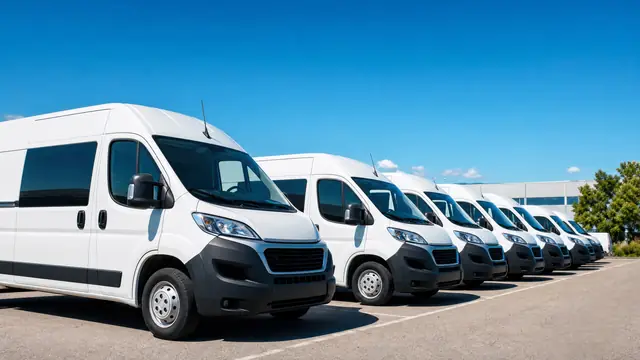
Commercial Auto Insurance in Florida: Coverage, Rules, and Costs
When a work vehicle is in a crash, the expense can reach beyond the repair bill: a driver may be unable to make calls, a crew may miss jobs, and a customer contract may require limits the business did not buy. The…
10 min read
Read guide
Coverage comparisons
Commercial Auto vs. Personal Auto Insurance: Which Does Your Business Need?
A vehicle can be essential to earning revenue without automatically fitting one insurance policy or the other. The practical starting point is who owns or leases the vehicle, who drives it, and what work it does. A…
8 min read
Read guide
State requirements
Commercial Flood Insurance in Florida: Building, Contents and Income Protection
is the coverage to examine when storm surge, overflowing water, heavy runoff, or mudflow could damage the building, stock, equipment or furnishings that keep your business operating. Most standard business-property…
7 min read
Read guide

Cost & pricing
How Much Does Commercial Insurance Cost for a Small Business in 2026?
The practical answer is to price the coverage your business actually needs, not to chase a national average. A consultant working from home, a restaurant with a leased space, and a contractor with employees and vehicles…
9 min read
Read guide

Coverage comparisons
Commercial Insurance vs. Business Insurance: What’s the Difference?
If you are deciding whether to buy commercial insurance or business insurance, you usually are not choosing between two different products. The terms are commonly used for the same broad set of policies. The useful…
8 min read
Read guide
Industry guides
Contractors Equipment Insurance: Coverage for Tools and Machinery
When a stolen skid steer, damaged compressor, missing tools, or rented lift keeps a crew from working, the loss can interrupt revenue as well as the job. Contractors equipment insurance—often called inland marine…
10 min read
Read guide

Coverage explainers
Cyber Liability Insurance for Small Business: What to Compare in 2026
A hacked email account, ransomware attack, or exposed customer file can stop a small business from taking orders, getting paid, or keeping clients' trust. Cyber liability insurance can help pay a business's costs after…
10 min read
Read guide
Industry guides
Dealer Inventory Insurance for Hail, Wind and Flood Losses
Hail, wind, or flood can damage a sale-ready lot in hours—leaving a dealership with reconditioning costs, impaired inventory value, and floor-plan obligations that do not pause after a storm. The practical answer is to…
7 min read
Read guide
Industry guides
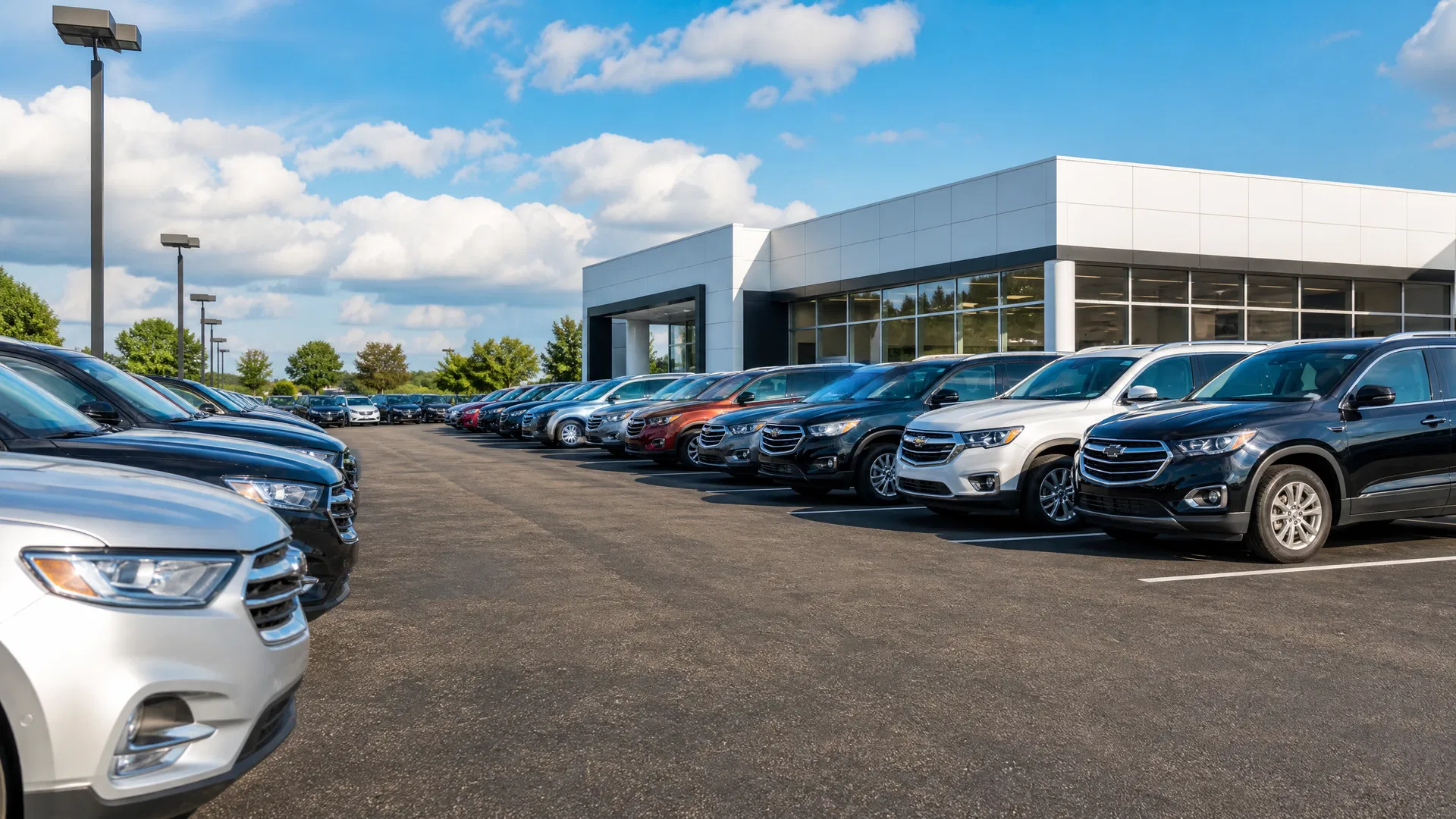
Dealer Open Lot Insurance: Protect Your Dealership Inventory From Costly Gaps
A hailstorm, theft, fire, or collision can take sale-ready vehicles off your lot and tie up the cash your dealership needs to replace inventory. Dealer Open Lot insurance (DOL) is first-party physical-damage coverage…
8 min read
Read guide
Coverage explainers
Does General Liability Cover Property Damage?
A commercial general liability (CGL) policy may pay covered damages you are legally obligated to pay when an accidental occurrence causes property damage. The issued policy, its limits, exclusions, endorsements, and the…
7 min read
Read guide

Coverage explainers
EPLI Insurance for Small Businesses: What It Covers and When You Need It
An employee complaint about a firing, discrimination, harassment, or retaliation can require legal help before the facts are resolved. Employment practices liability insurance (EPLI) can help a small business pay…
7 min read
Read guide

Security services
Florida Security Agency Insurance: Class B, D and G License Guide
Running a Florida security agency creates two insurance questions: what is needed for the Class B license, and whether the policy supports the contracts and services that produce your revenue. A Class B license is…
9 min read
Read guide

State requirements
Florida Commercial Insurance Requirements by Business Type (2026)
Before you sign a lease, bid a job, renew a license, or put a vehicle on the road, answer three questions: what Florida law requires for your operation, what your license requires, and what your written contract…
11 min read
Read guide
State requirements
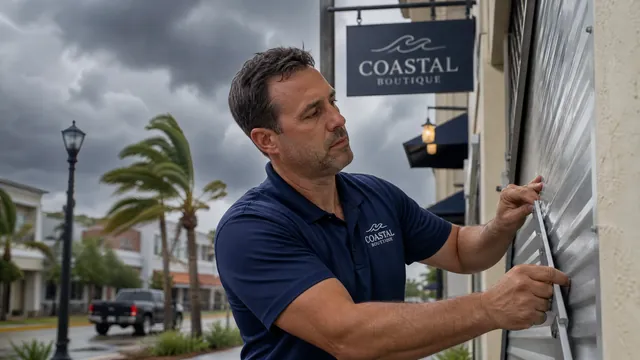
Florida Commercial Property Insurance: Hurricane Prep and Wind Deductibles Explained
A hurricane can leave a Florida business with a damaged building, spoiled inventory, missed sales, and a large deductible due before property coverage pays. The practical answer is to review the policy before a storm…
Reviewed June 2026 9 min read
Read guide
State requirements
Florida Commercial Property Insurance: Wind, Flood, Roof and Income Coverage
Does your property policy leave your business paying a large share after a hurricane, flood, or roof loss? Start with four answers: Is wind included or excluded? What deductible applies and what event triggers it? Is…
6 min read
Read guide
State requirements
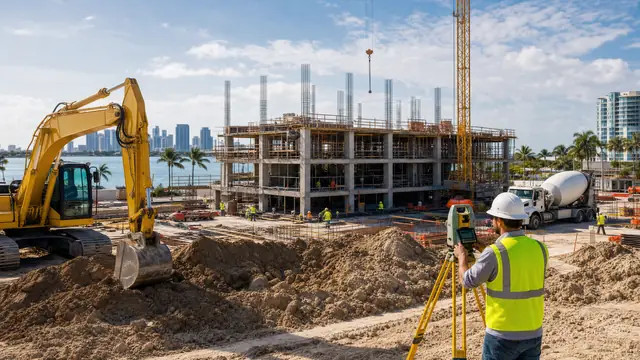
Florida Contractor Insurance Requirements: License, General Liability, Workers' Comp, and Bond Rules
Before you bid or start work in Florida, check three separate things: the insurance tied to your license, workers' compensation for your crew and subcontractors, and the requirements in the job contract. For an active…
10 min read
Read guide
State requirements
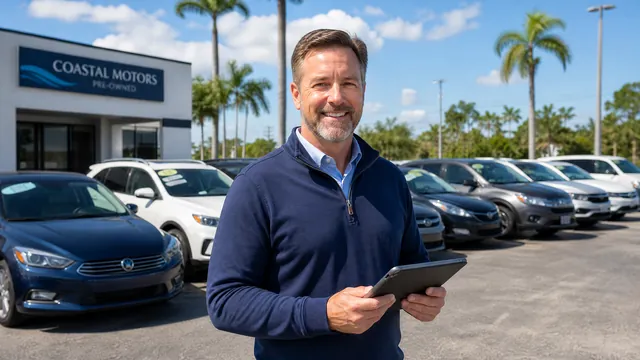
Florida Garage Liability Insurance for Used Car Dealers: 2026 Guide
Florida used-car dealers need protection that does more than satisfy a license filing. A serious test-drive injury, damage to a customer's vehicle, or a loss across the inventory can create an expense that the filing…
9 min read
Read guide

State requirements
Florida Workers' Compensation Requirements for Contractors
If your business performs construction work in Florida, you generally need workers' compensation as soon as you have one employee. That can include corporate officers and LLC members unless they hold a valid exemption;…
Reviewed June 2026 8 min read
Read guide

State requirements
Food Truck Insurance Florida: Coverage, Permits & Contracts
Your food truck has to earn income both on the road and at the serving window. The practical answer is to separate the risks: commercial auto for driving, general liability for serving customers and operating at events,…
9 min read
Read guide
Coverage comparisons
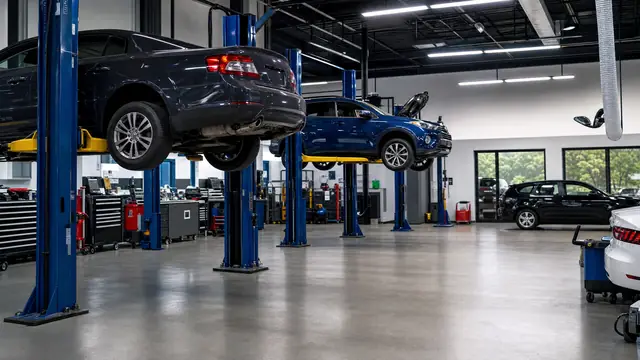
Garage Liability vs. Garagekeepers Liability: What Your Shop Needs
If a customer is injured at your shop, garage liability can address the resulting third-party injury or property-damage claim. If a customer's vehicle is damaged while you are servicing, parking, or storing it,…
8 min read
Read guide

Coverage comparisons
General Liability vs. Professional Liability: Which Does Your Business Need?
If a visitor is injured at your location or your work damages someone else's property, General Liability (GL) is usually the coverage to examine. If a client says your advice, design, or service mistake cost them money,…
9 min read
Read guide

State requirements
Georgia Contractor Insurance Requirements: GL, Workers' Comp, and Licensing Rules
Before you price a Georgia job, identify the license category that applies, meet its liability-insurance requirement, and compare that requirement with the job's insurance exhibit. Those are three related but different…
8 min read
Read guide
State requirements
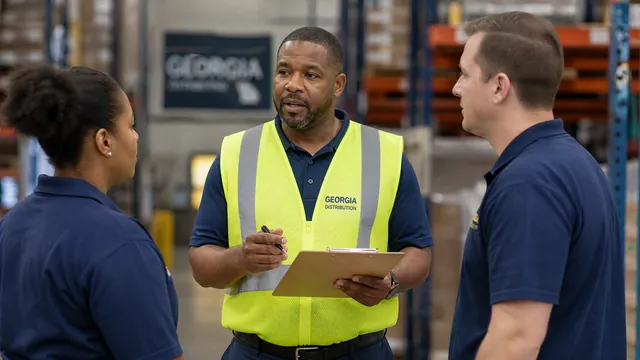
Georgia Workers' Compensation Requirements: When Coverage Is Required
Hiring a third regular worker, bringing on a family member, or using subcontractors can change your Georgia workers’ compensation obligations. Georgia generally requires coverage when an employer regularly has three or…
8 min read
Read guide

Coverage explainers
Hired and Non-Owned Auto Liability: When Your Business Needs HNOA
When employees use personal cars for client visits, pickups, deliveries, or errands—or your business rents a vehicle—an at-fault accident can bring a claim against the business. Hired and non-owned auto liability (HNOA)…
6 min read
Read guide

Cost & pricing
How Workers' Comp Premiums Are Calculated
Your workers' comp premium should not be a mystery. It usually starts with payroll assigned to the right job classifications, multiplied by the applicable rate. If your business qualifies for experience rating, its…
9 min read
Read guide

Coverage explainers
Is General Liability Insurance Required by Law?
But a landlord, customer, lender, project owner, licensing authority, or industry rule may require it before you can open a location, sign a contract, or begin work. The practical question is not just whether you need a…
7 min read
Read guide

State requirements
Liquor Liability Insurance Florida: What Bars, Restaurants, and Events Need to Know
If your Florida business sells or serves alcohol, an allegation of overservice, an alcohol-related crash, or a fight can put revenue, contracts, and the business itself under pressure. The practical answer is to compare…
8 min read
Read guide
Industry guides
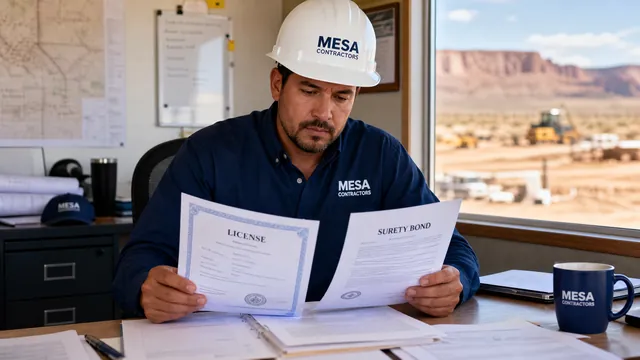
New Mexico Contractor License Bond Requirements
Need a New Mexico contractor license bond to apply for or renew a CID license? Plan on a $10,000 corporate-surety bond. Its job is to satisfy a CID licensing requirement; it is not a bid, performance, or payment bond…
8 min read
Read guide
Trucking
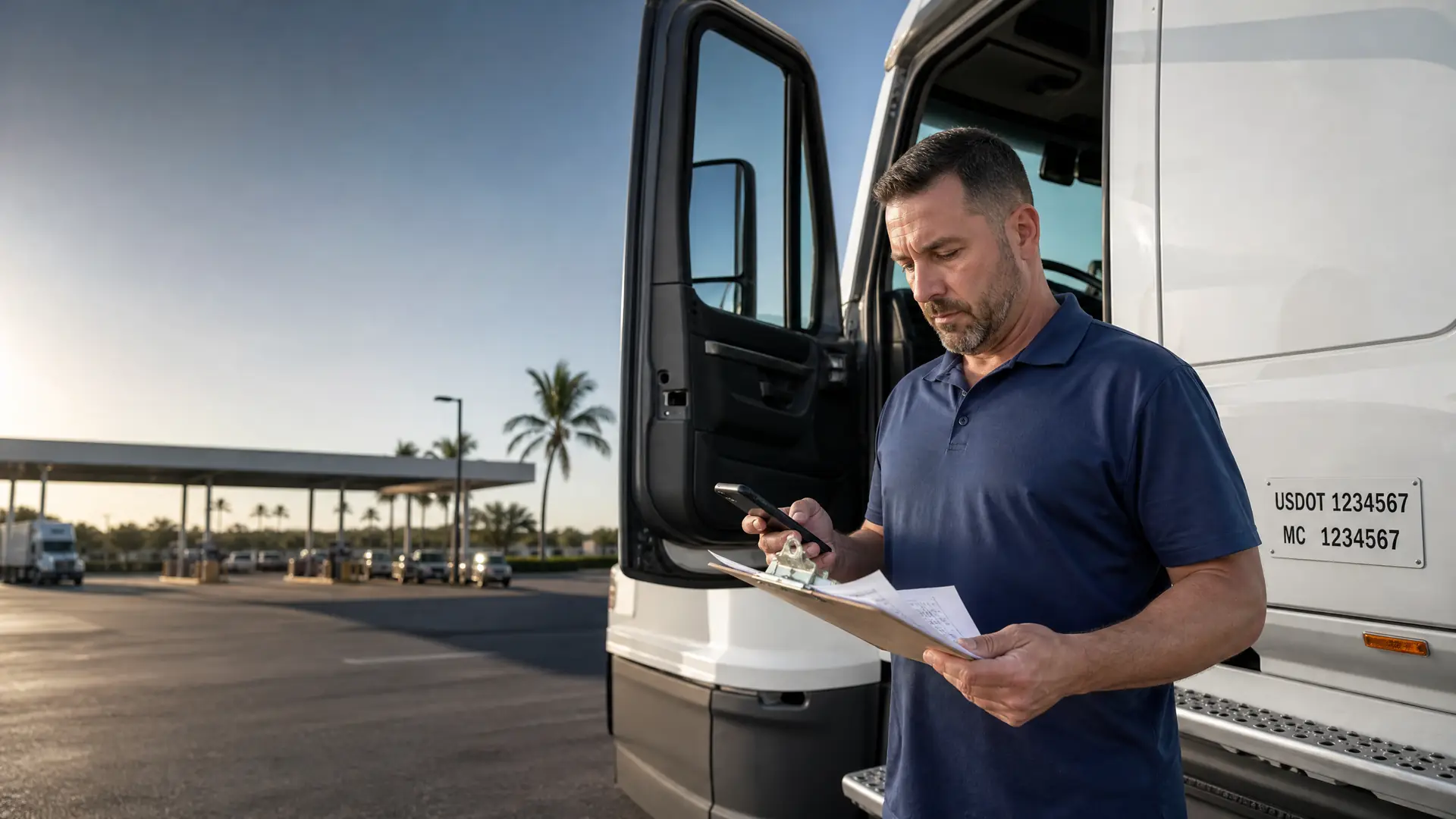
New Motor Carrier Authority: Insurance Filings, MCS-90 and When You Can Haul
Starting a new motor carrier involves more than a docket number or insurance policy. Learn how BMC filings, MCS-90, BOC-3 and active FMCSA authority fit together—and what to verify before hauling brokered freight.
6 min read
Read guide

State requirements
North Carolina Contractor Insurance Requirements: NCLBGC Rules Explained
Before you bid or sign a North Carolina construction contract, separate three questions that are easy to blur together: whether you need the right contractor license, what the job requires you to show, and what your…
Reviewed June 2026 9 min read
Read guide
Trucking
Owner-Operator Insurance: Leased On vs. Your Own Motor Carrier Authority
Leased on vs. own authority owner-operator insurance: a carrier may handle public liability under a compliant lease, but your truck, personal use, cargo and deductible costs still need a clear plan.
5 min read
Read guide
Coverage explainers
Do I Need Commercial Auto Insurance for a Personal Vehicle Used for Work?
Tell your insurer exactly how the car earns income for the business: deliveries, client visits, job-site travel, transporting people or equipment, or driving for hire. The policy's business-use language, your vehicle,…
7 min read
Read guide

State requirements
Real Estate Investor Insurance: Coverage for Rentals, Vacancies, Flips & STRs
Often, that is the question that matters most. A rental can become vacant, a renovation can become a construction project, and a long-term lease can turn into short-term stays. Before that change happens, confirm the…
Reviewed June 2026 9 min read
Read guide

State requirements
Restaurant Insurance Florida: General Liability, Liquor, and Workers Comp
An unexpected kitchen fire, customer injury, alcohol-related allegation, or multi-day cooler outage can stop restaurant revenue while rent, payroll, and supplier bills continue. The practical answer is not a single…
Reviewed June 2026 9 min read
Read guide

Security services
Security Company Contract Insurance: COI & Endorsement Checklist
When a property manager, HOA board, or event producer asks for a certificate of insurance before awarding work, the practical question is not just, “Can we send a certificate?” It is: does the issued policy and its…
8 min read
Read guide
Security services
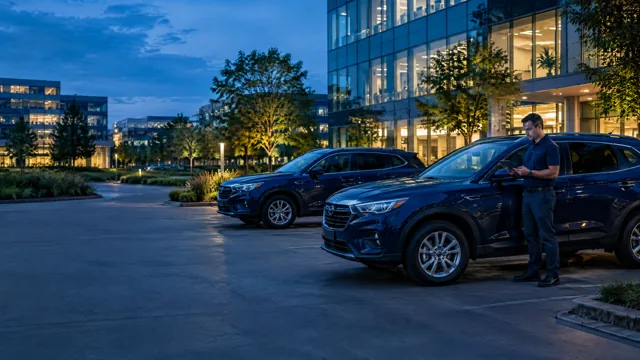
Security Patrol Vehicle Insurance: Owned, Hired & Non-Owned Autos
When your security company uses a mix of company SUVs, leased units, rentals, and guards’ own cars, “we have commercial auto” may not answer the question that matters after an accident: which policy responds, who is…
8 min read
Read guide
Coverage explainers
South Carolina Commercial Auto Insurance Requirements
If your business vehicle is principally garaged or principally used in South Carolina, start with the legal floor—but do not confuse it with a complete business decision. The state requires at least $25,000 per person /…
Reviewed June 2026 7 min read
Read guide

State requirements
South Carolina Contractor Insurance Requirements: LLR Rules
Before you price a South Carolina job, separate licensing, workers' compensation, and the insurance terms in the contract. For regulated commercial construction over $10,000, the applicable General or Mechanical…
Reviewed June 2026 8 min read
Read guide

State requirements
Subcontractor Insurance Requirements: What GCs Should Verify
Before a subcontractor starts work, compare the written subcontract with the subcontractor's actual insurance policy and endorsements—not only the certificate of insurance (COI). Verify the legal entity, work scope,…
8 min read
Read guide
Coverage explainers
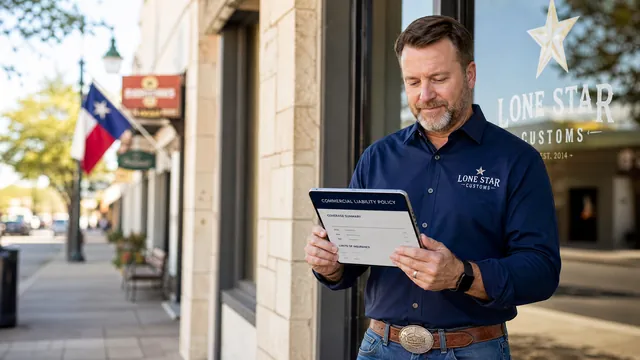
Texas General Liability Insurance Requirements for Small Businesses
Need general liability insurance to sign a Texas contract, keep a license, or protect your business from a customer claim? There is no one statewide general-liability limit for ordinary Texas businesses. The requirement…
Reviewed June 2026 9 min read
Read guide
Trucking
Trucking Insurance Requirements: FMCSA Limits, Cargo, and Bobtail Coverage
Need to keep your authority active, meet a broker's insurance requirement, or understand what a carrier's lease leaves you to insure? Start with four facts: whether you run under your own authority or a carrier's lease,…
8 min read
Read guide

Coverage explainers
Types of Commercial Insurance: What a Small Business Needs
Start with the losses your business could not comfortably absorb: a customer injury or damaged customer property, a fire affecting equipment or inventory, an employee injury, or a crash while work is being done. General…
10 min read
Read guide
Industry guides
Used Car Dealer Insurance: What Coverage Does Your Dealership Need?
You need used car dealer insurance that keeps an accident, inventory loss, or licensing requirement from becoming a threat to the cash your business uses to buy, sell, and finance vehicles. Start with the insurance your…
8 min read
Read guide

Coverage explainers
Utah Business Insurance Requirements: What Small Businesses Actually Need
Hiring your first employee, renewing a contractor license, adding a work vehicle, or signing a project agreement can all create insurance questions. The practical starting point is this: Utah businesses with employees…
9 min read
Read guide
Coverage explainers
What Is Not Covered by a Business Owners Policy?
A Business Owners Policy (BOP) can be a strong foundation, but it is not a universal policy. The gaps that can hurt a business most often involve employee injuries, professional mistakes, company vehicles, flood, cyber…
7 min read
Read guide

Compliance & renewals
Workers' Comp Audit Checklist: Prepare for Payroll Review
A workers' compensation audit is a review of the payroll, job duties, owners or officers, and subcontractor information used to price your policy for its past policy period. It can result in an additional premium or a…
7 min read
Read guide
State requirements
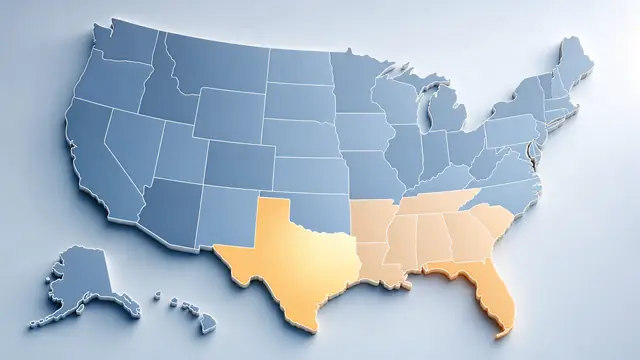
Workers' Comp Requirements by State: FL, TX, NC, SC, GA, NM and UT
The rule can turn on the state, your industry, how many people work for you, and the worker's status. In this guide, Florida generally requires coverage at four employees outside construction and at one in construction;…
Reviewed June 2026 10 min read
Read guide
Blog FAQs
Common questions about the library
- Ellie Insurance Group publishes these guides for commercial insurance shoppers nationwide. Individual author and review information appears on each article where available. Guides are educational; a licensed agent must review your particular policy, contracts, and current requirements.
- Some guides use AI-assisted research and editing, with sources linked for important regulatory claims. We identify the author or editorial attribution on each page rather than claiming an individual personally reviewed a guide unless that review has taken place. Always confirm current coverage terms and legal requirements with the appropriate professional.
- No. The guides explain what changes the price and how to compare coverage choices; they do not calculate your premium. An actual quote depends on your operations, payroll or revenue, location, vehicles, property, claims history and the insurer's requirements.
- Many posts have a Florida lens because the agency is rooted in Tampa and Brooksville. Where state law materially changes the answer, the posts call out other-state specifics for clients with multi-state operations.
- Call 813-582-5215 or begin Instant Quote. The agency can talk through specific questions about coverage, certificates, audits, renewals, contractor licensing, or carrier appetite.
Continue exploring
Where to go next
Next step
Ready to start your commercial insurance review?
Ready to explore insurance for your business? Begin with Instant Quote or call 813-582-5215 to discuss the coverage choices with an agent.