Skip to main content
Monday–Friday · 9:00 AM – 5:00 PM ET·independent · Insuring businesses nationwide

Industry guides
Contractors Equipment Insurance: What It Covers and Why You Need It
Learn what contractors equipment insurance covers, how it protects tools and mobile equipment, and what mistakes contractors should avoid.

Licensed Business Insurance Agent
8 min read
Key takeaway
Contractors equipment insurance helps protect the tools, machinery, and mobile equipment your business relies on at jobsites, in transit, and in storage.
Quick Answer: Contractors equipment insurance helps protect the tools, machinery, and mobile equipment your business relies on at jobsites, in transit, and in storage. It is often written as inland marine coverage because contractor property moves from place to place instead of staying inside one building.
If a stolen skid steer, damaged compressor, missing tools, or rented lift would slow down your work, contractors equipment insurance deserves a serious look. Ellie Insurance Group helps business owners shop on your behalf with plain-language guidance and direct access to 100+ carriers for best rates.
What Business Owners Need to Know
Most contractors think first about liability, but equipment can be just as important to cash flow. A contractor can have a full calendar, signed contracts, and good crews, yet still lose productive days if a trailer disappears or a key machine is damaged. Contractors equipment insurance is designed for that mobile property problem. It helps address equipment that is not protected well by a standard property policy because it is constantly moving between yards, jobsites, storage units, trucks, and customer locations.
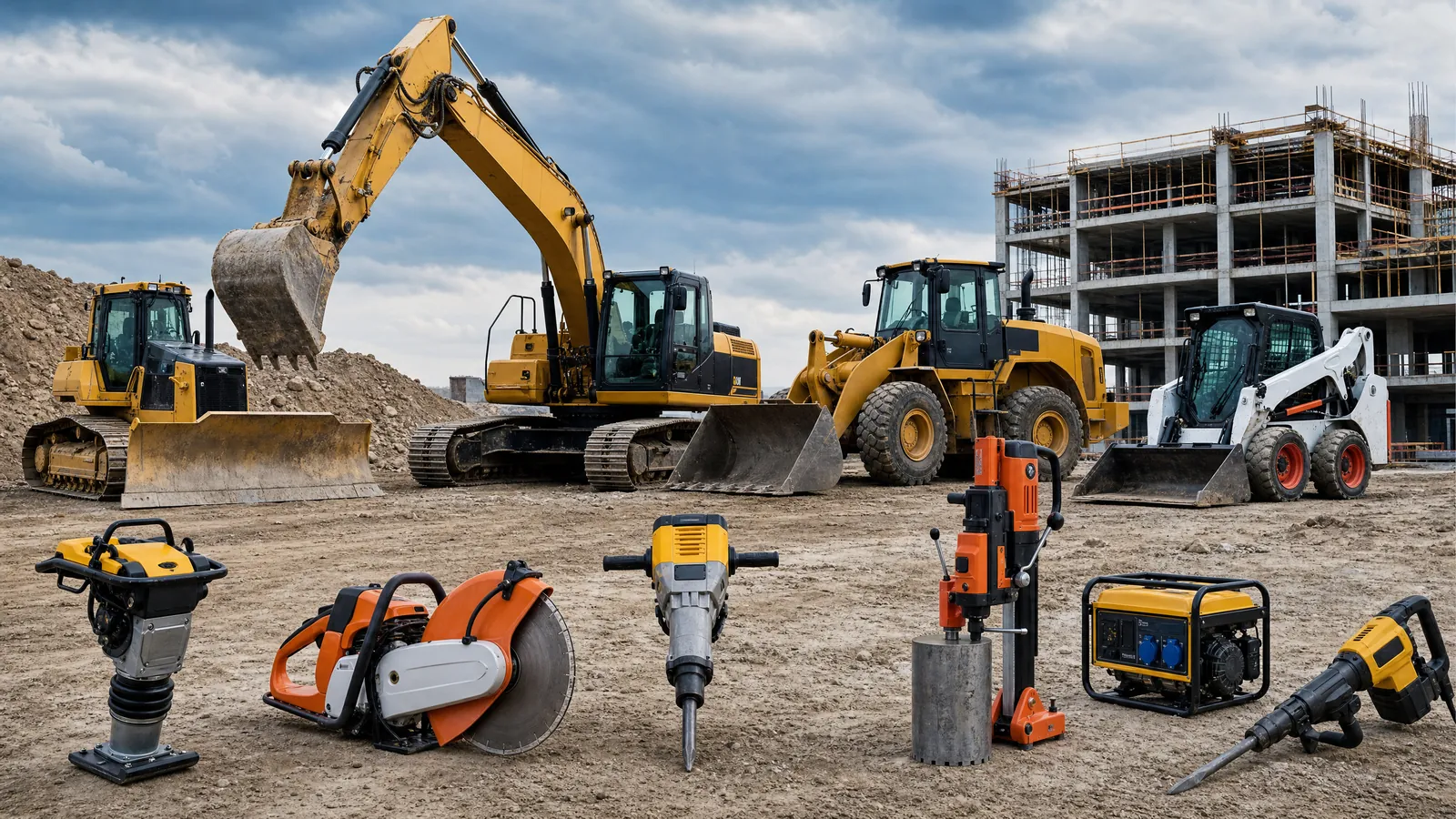
This coverage is commonly associated with inland marine insurance. The name sounds like boats, but in business insurance it often refers to property that moves over land, property in transit, and property away from the main premises. For contractors, that can include hand tools, power tools, generators, scaffolding, lifts, compressors, trenchers, skid steers, loaders, excavators, and other jobsite equipment. Policies can be scheduled item by item, covered under a blanket tool limit, or written with a mix of both.
The biggest question is not whether your tools are valuable. The real question is how quickly your business could recover if they were gone tomorrow morning. A plumber without drain cameras, a concrete contractor without saws, an HVAC contractor without recovery machines, or a landscaper without compact equipment can lose revenue immediately. Insurance cannot prevent the disruption, but it can help provide a financial path to repair or replace covered equipment.
Contractors equipment insurance also matters because many contracts and rental agreements shift responsibility to the contractor. If you rent a boom lift or borrow equipment from another contractor, the agreement may make you responsible for damage or theft while the equipment is in your care. A general liability policy usually is not the right tool for that exposure because liability policies often exclude property in your care, custody, or control. Equipment coverage may be the missing piece.
Ellie Insurance Group insures businesses nationwide. Rooted in Tampa and Brooksville, the agency shops 100+ carrier markets for contractors who need clear answers, not insurance jargon. With 100+ carriers and broad carrier access, Ellie can help present your equipment schedule, jobsite practices, theft controls, and rental needs to markets that understand contractor operations.
Coverage Details and Common Mistakes
A contractors equipment policy can be simple or detailed depending on your business. Smaller contractors may need a tools floater with a blanket limit and a few scheduled high-value items. Larger contractors may need a detailed equipment schedule with serial numbers, values, model years, attachments, leased items, and rented equipment limits. The policy should match how your property is actually used.
| Coverage feature | What it may help with | Business-owner question to ask |
|---|---|---|
| Scheduled equipment | Specific listed machines or high-value items | Is every major machine listed with the correct value and serial number? |
| Unscheduled tools | Smaller tools covered under a blanket limit | Is the per-item limit high enough for your best tools? |
| Rented or leased equipment | Equipment you rent or lease for jobs | Does the limit match the rental contract requirement? |
| Equipment in transit | Property moving between jobs or storage locations | Are trailers, loading, and unloading exposures addressed? |
| Debris removal or cleanup | Expenses after a covered equipment loss | Are extra expenses limited or excluded? |
| Replacement cost or actual cash value | Valuation after a covered loss | Will depreciation create a surprise at claim time? |
A common mistake is assuming commercial property insurance follows equipment everywhere. Property coverage often focuses on buildings and contents at scheduled premises. Contractor equipment spends much of its life away from those premises. If tools are stolen from a locked trailer at a jobsite, damaged while being transported, or lost from a temporary storage location, the details of the policy determine whether coverage applies.
Another mistake is undervaluing tools. Contractors often buy equipment gradually over years, so the total value is easy to underestimate. A trailer may hold cordless tools, saws, ladders, compressors, lasers, safety gear, and materials that add up quickly. Create an inventory with photos, serial numbers, purchase dates, and estimated values. Store a copy somewhere other than the trailer. Good records can make a covered claim easier to document.
Theft controls matter. Underwriters may ask where equipment is stored, whether trailers are locked, whether GPS devices are used, whether jobsites are fenced or lit, and whether high-value equipment is secured overnight. Strong controls do not guarantee a lower premium, but they can make your business a better insurance submission and may reduce losses. They also show that you treat equipment as a business asset, not as replaceable clutter.
Contractors should also watch the difference between owned equipment, borrowed equipment, rented equipment, and employee-owned tools. Each category can be treated differently. If employees bring their own tools, do not assume your policy automatically covers them. If you borrow a machine from another contractor, do not assume the owner's policy protects you. If you rent equipment, read the rental agreement before the equipment leaves the yard.
For businesses that already carry contractors equipment insurance, the key is keeping the schedule current. Buying a new excavator, selling a loader, adding attachments, or changing storage locations can all affect the policy. Tell your agent before a loss, not after.
How This Applies in Florida and Licensed States
Florida contractors face equipment risks that are tied to weather, jobsite movement, and construction demand. Storm preparation, theft from trailers, temporary storage, and fast-moving project schedules can all create exposure. Contractors working between Tampa, Brooksville, Orlando, Miami, Jacksonville, and rural job locations may store property in different ways throughout the year. A policy built around one address may not tell the whole story.
When work crosses state lines, contractors should discuss where equipment will be used and stored. Some policies include territorial limits, reporting requirements, or restrictions for equipment outside the normal operating area. If you send a crew and equipment to another state, your agent should know before the equipment leaves. The policy should match the real geography of the work.
In licensed states, equipment requirements may also appear inside contracts rather than statutes. A project owner may require coverage for rented equipment, installation materials, or property in transit. A lender may require proof of physical damage coverage on financed machinery. A rental company may require proof that rented equipment is covered while in your possession. These requirements are business obligations even when they are not the same as state licensing rules.
Related coverage
Contractors Equipment Insurance
Inland marine coverage for tools and equipment, on the job or in transit.
When to Review Your Policy
Review your contractors equipment insurance whenever your equipment list changes. New purchases, new financing, new rentals, new trailers, and new storage arrangements should trigger a policy check. You should also review coverage before a large project begins, especially if the project requires rented lifts, cranes, generators, or temporary storage.
Renewal is a good time to update values. Equipment values can change, and replacement costs may not match your old schedule. If you insure a machine for too little, the claim payment may not be enough to replace it. If you insure old equipment at unrealistic values, you may be paying for limits that will not respond the way you expect. Valuation details matter.
Claims history should also lead to a review. A theft, vandalism incident, trailer break-in, or recurring tool loss suggests that storage and controls need attention. Your agent can help you talk through better documentation, higher deductibles, scheduled items, GPS tracking, and carrier options.
Related Commercial Insurance Pages
| Page | Why it may matter |
|---|---|
| Contractor Insurance | Useful when equipment coverage needs to fit into a broader contractor program. |
| General Liability Insurance | Helps address third-party injury and property damage exposures. |
| Commercial Auto Insurance | Important when trucks and trailers move equipment between jobs. |
| Builders Risk Insurance | Helps address covered property loss to projects under construction. |
| Commercial Property Insurance | Helps address owned buildings, office contents, or shop property at scheduled premises. |
FAQs
Is contractors equipment insurance the same as general liability?
No. General liability focuses on third-party injury and property damage claims. Contractors equipment insurance focuses on your tools, machinery, and mobile equipment.
Does it cover tools stolen from a truck or trailer?
It may, depending on the policy, location, security requirements, deductible, and whether the tools are scheduled or covered under an unscheduled tool limit. Review theft conditions carefully.
Do I need to list every tool?
Not always. Many policies use a blanket limit for smaller tools and a schedule for higher-value equipment. A detailed inventory still helps you choose limits and document a covered claim.
Does rented equipment need separate coverage?
Rented equipment should be discussed before you sign a rental agreement. The rental company may require proof of coverage, and your policy must include a rented equipment limit that matches your exposure.
How do I choose a limit?
Start with a current inventory. Include owned equipment, tools, trailers, attachments, rented equipment exposures, and any financed items. Your agent can help shop on your behalf based on that list.
Instant Quote
Your equipment is how your crews turn contracts into revenue. Ellie Insurance Group can help you organize your schedule, review rented and owned equipment needs, and shop on your behalf with 100+ carriers. Start with contractors equipment insurance and choose Instant Quote.
Sources
Working with an independent agent
Coverage needs vary by operation, contract, and state. An Ellie Insurance Group agent can review your situation and shop 100++ carrier markets on your behalf — start an Instant Quote or call 813-582-5215.
Get a real quote
Want a quote for the coverage discussed here? Start with general liability, workers' compensation, or commercial auto — or browse all commercial coverages and industries we serve.
Written & reviewed by
Licensed Business Insurance Agent · Ellie Insurance Group
Licensed business insurance agent at Ellie Insurance Group · Access to 100+ carrier markets.
More about KevinIndependent Agency
100+ carrier markets
5.0★ Google Rating
Verified Google reviews
Trusted Choice 5.0
5-star independent agency
InsuredBetter 5.0
29 verified client reviews
Same-Day Certificates
For active clients during business hours
Instant Commercial Quotes
Most submissions, same business day
Keep reading
Related Articles
Coverage explainers
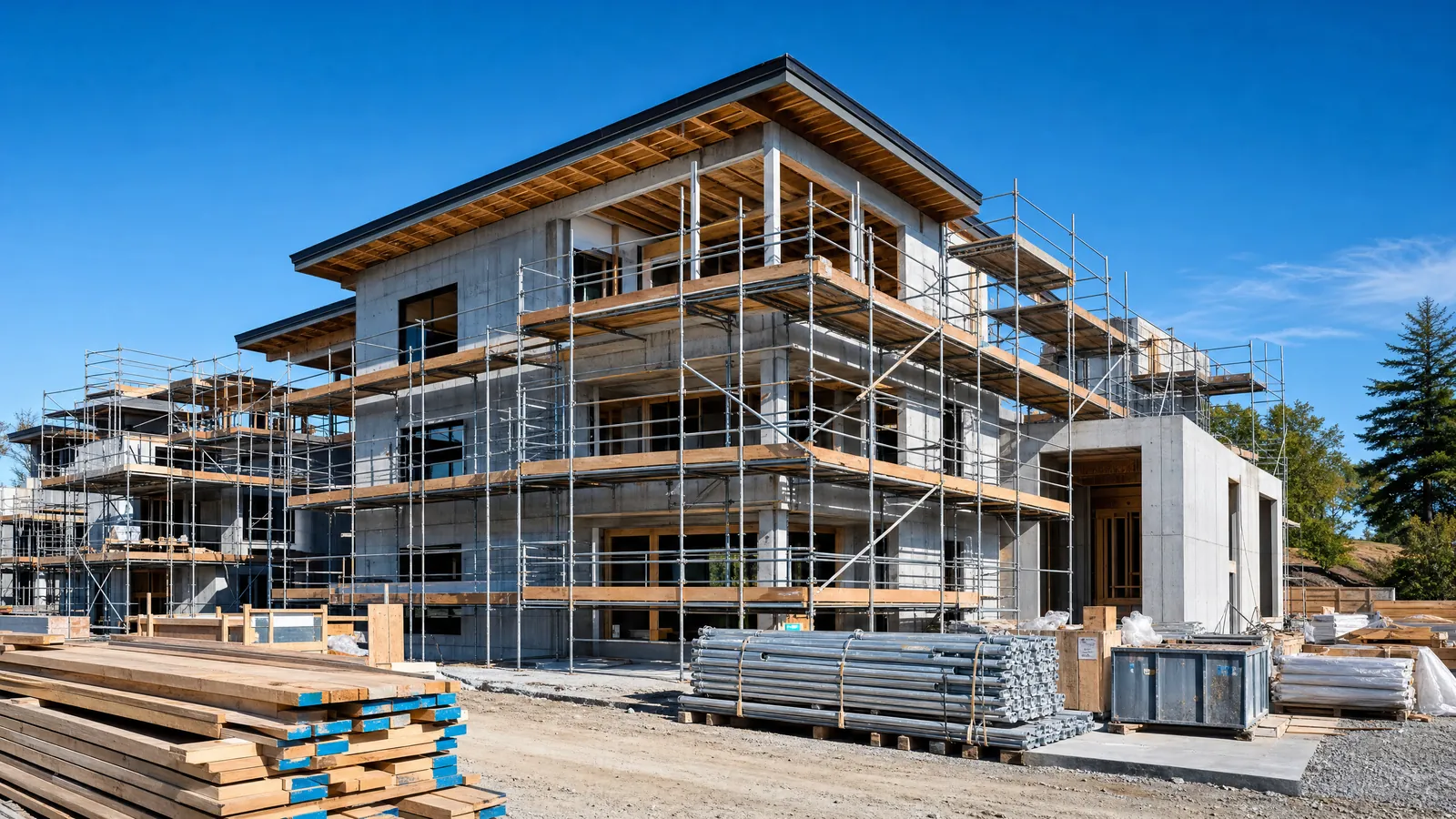
Builders Risk Insurance Explained: Who Needs It and What It Covers
Builders risk insurance helps protect a building or project while it is under construction, renovation, or major improvement. It can cover materials, fixtures, and covered property at the jobsite, but the exact…
State requirements
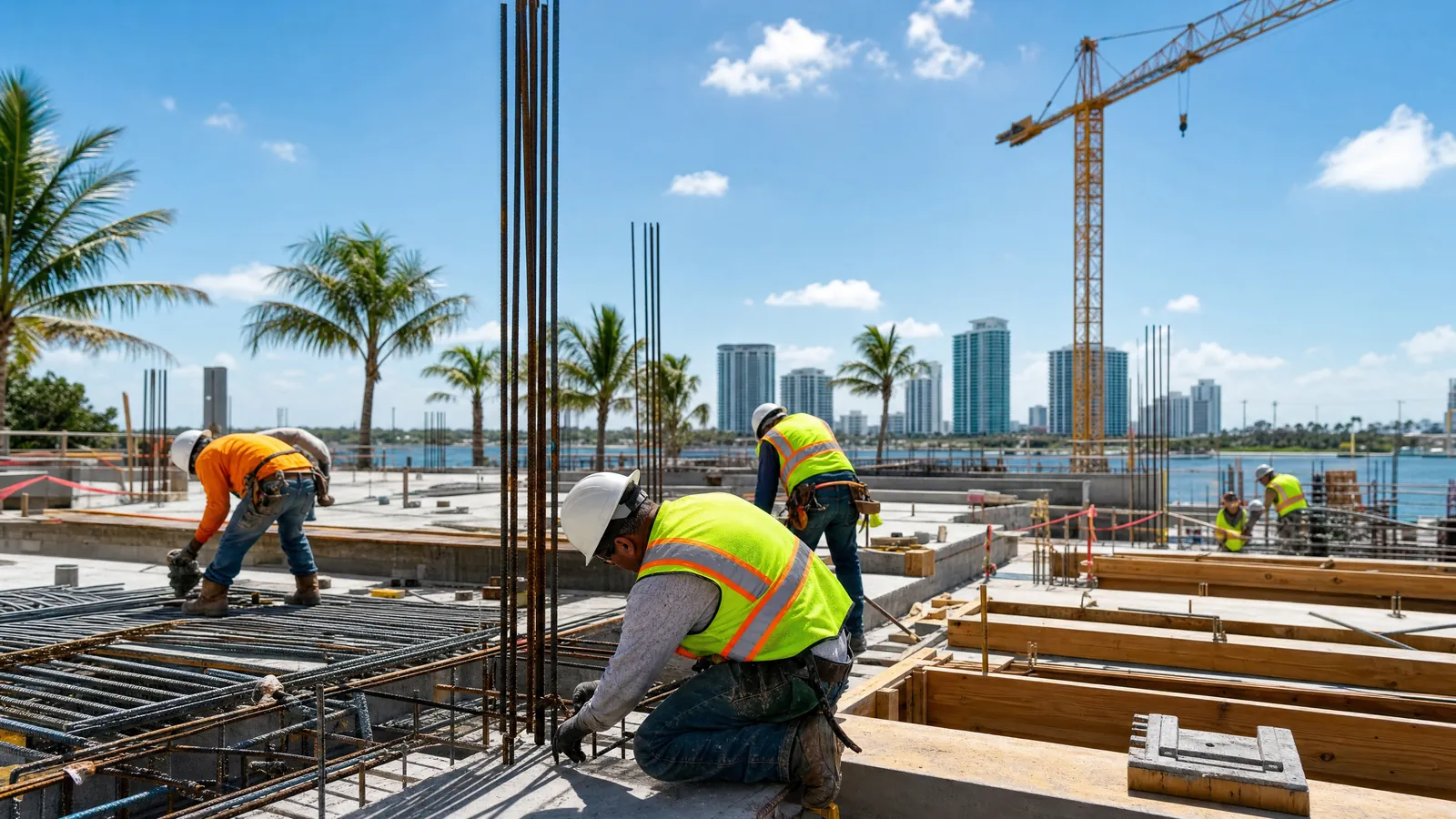
Florida Workers' Compensation Requirements for Contractors
Florida workers' compensation requirements for contractors are designed to protect workers and limit employer liability. While specific rules apply, many contractors may qualify for exemptions, especially those without…
Industry guides
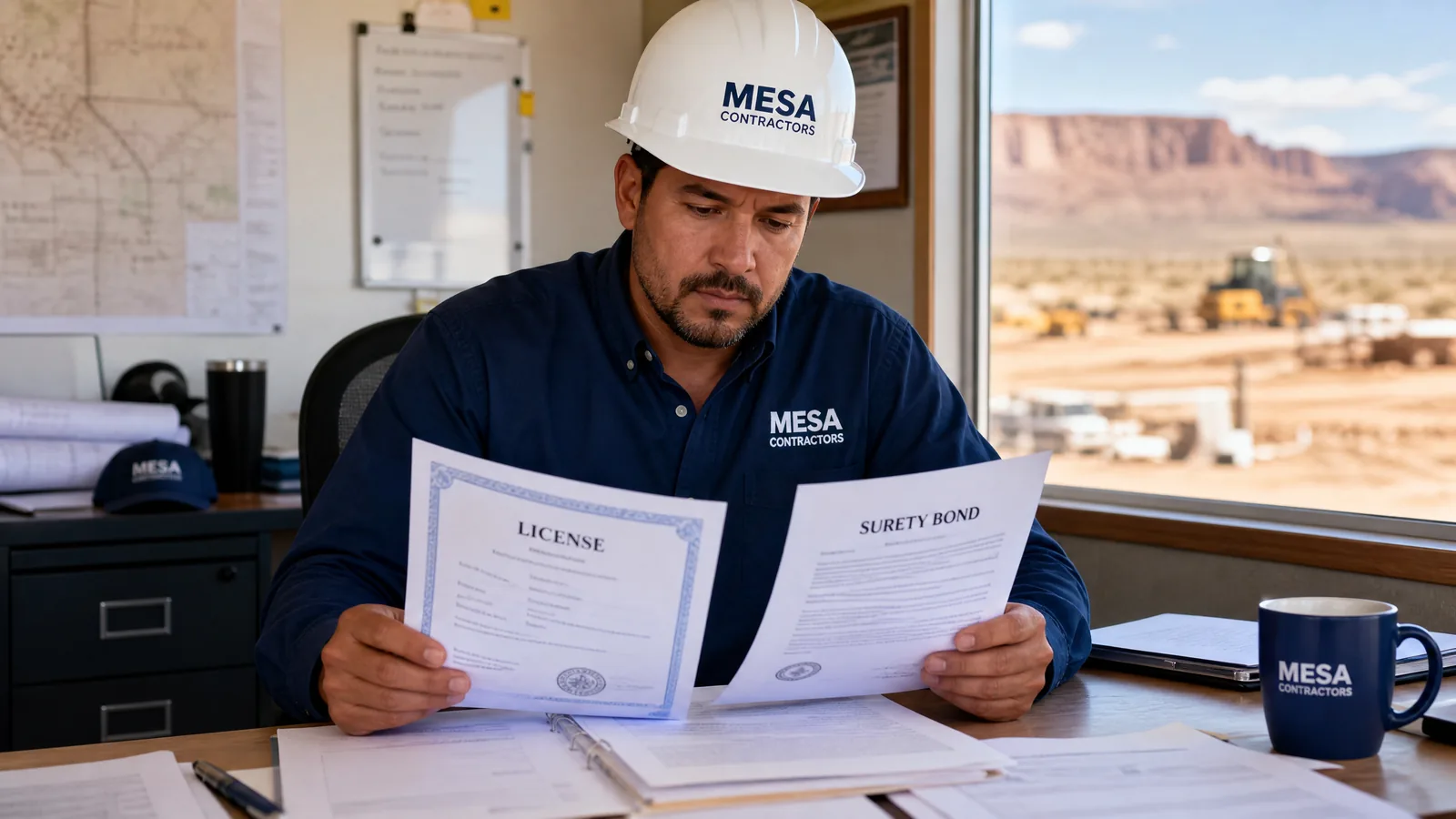
New Mexico Contractor License Bond Requirements
New Mexico's Construction Industries Division (CID) licenses every contractor performing work over $7,200, and a license bond is part of the license — commonly in the $10,000–$20,000 range depending on classification…
Next step
Ready to shop commercial coverage?
Start an instant quote or speak with a commercial agent. We'll review available markets and the carrier's requirements before coverage can be bound.