Skip to main content
Monday–Friday · 9:00 AM – 5:00 PM ET·independent · Insuring businesses nationwide

Licensed Business Insurance Agent
8 min read
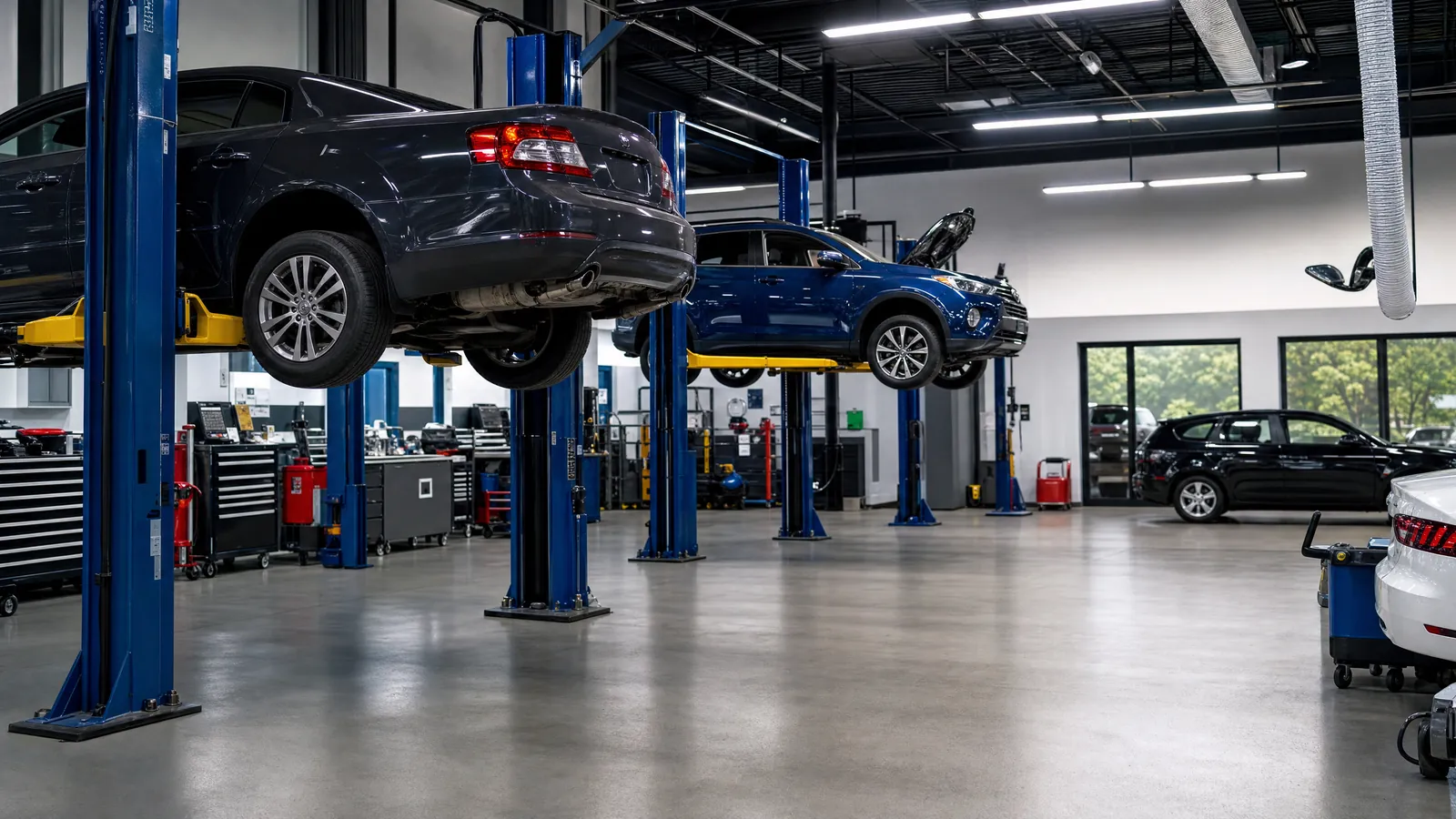
If a customer is injured at your shop, garage liability can address the resulting third-party injury or property-damage claim. If a customer's vehicle is damaged while you are servicing, parking, or storing it, garagekeepers is the coverage designed for that physical-damage exposure. A repair shop, dealer, detailer, or service station may need both because one loss can cost more than the repair itself: an uncovered customer auto can mean an unexpected expense and a damaged customer relationship. The issued policy—not its name alone—determines whether a particular loss is covered, based on the selected coverage, locations, limits, deductibles, exclusions, and facts of the loss. [1]
The practical difference for your business
Garage liability: claims arising from your operations
Garage liability is a specialized liability coverage for businesses that sell, service, or store vehicles. It can address bodily injury or property damage suffered by other people because of your garage operations, including work at your premises and, where included, completed work.
For example, it may be the coverage to examine if a customer slips in the waiting area, a tool injures a passerby, or a repair later contributes to an accident after the vehicle has left the shop. These claims can interrupt operations and create legal-defense costs as well as damages. The policy's definitions, covered-auto designations, limits, and exclusions still matter. [1]
Garagekeepers: physical damage to customer autos in your care
Garagekeepers coverage is designed for physical damage to a customer's auto while it is in your care, custody, or control for service, repair, parking, or storage. Do not assume garage liability alone will pay for that auto. The public ISO Garage Coverage Form treats garagekeepers as a separate coverage section with its own causes of loss, limits, deductibles, and exclusions. [1]
Depending on the coverage selected, it may address a customer auto damaged while parked on your lot or in a service bay. Check whether the policy provides comprehensive, specified-causes-of-loss, collision, or another physical-damage option; which locations are listed; and how the deductible applies. A policy can be valuable protection without covering every peril, location, or item in the vehicle. [1]
The difference at a glance
| Business question | Garage liability | Garagekeepers |
|---|---|---|
| What problem is it designed to address? | Third-party bodily injury or property-damage claims arising from garage operations | Physical damage to customer autos in your care, custody, or control |
| A typical example | A customer is hurt on the premises or a completed repair allegedly causes an accident | A customer auto is damaged while being serviced, parked, or stored |
| Why it matters to the owner | It helps protect the business from claims that can lead to legal costs and lost operating time | It helps avoid having a customer-auto loss become a direct expense or a dispute over who pays |
Choosing a garagekeepers claim path
Garagekeepers is commonly offered as legal liability, direct primary, or direct excess. These options affect who may pay first for a covered customer-auto loss and the experience you can offer a customer after a loss. They are not interchangeable. [2]
- Legal liability generally depends on the business being legally responsible for the damage. It can suit an owner who wants coverage tied to fault, but a claim may require investigation of responsibility.
- Direct primary can respond first to a covered physical-damage loss without requiring the customer to prove that your business was legally liable. It is generally broader than legal-liability coverage, but it remains subject to the issued policy's causes of loss, locations, limits, deductibles, and exclusions.
- Direct excess generally coordinates after other collectible physical-damage coverage for a non-liability loss. It can change the customer's claim path, so ask how it works with the customer's own policy before relying on it. [2]
Direct primary may support a smoother experience when a covered non-fault loss occurs. Legal liability and direct excess can make different cost and claim-handling trade-offs. Choose based on the customer experience you want to provide, the deductible structure you can absorb, and the actual terms offered—not on a label alone.
Set limits and deductibles for a bad day, not an average day
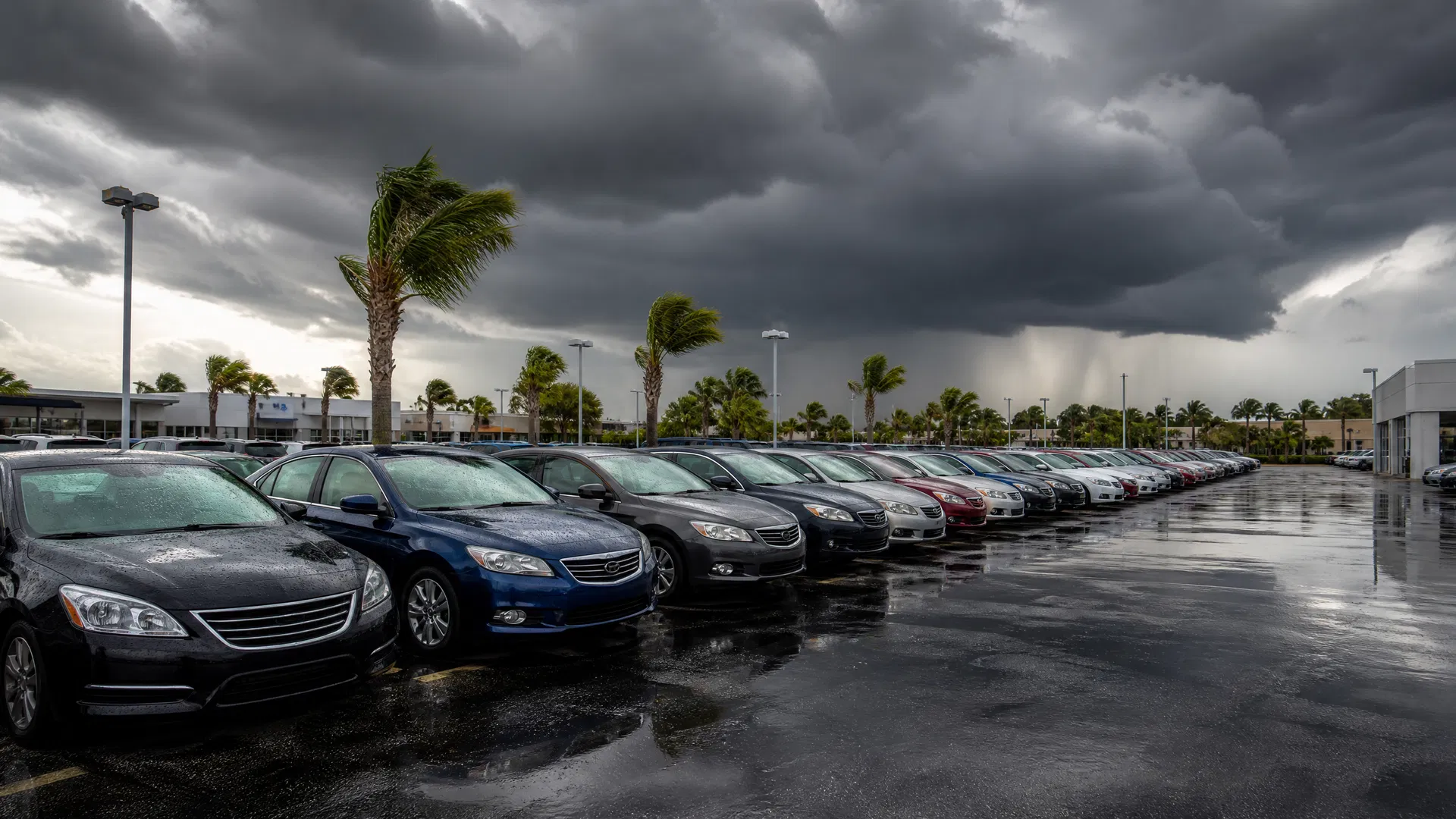
The important number is the peak total value of customer autos at each location, including overflow lots and vehicles left overnight—not merely the number in the service bays during a typical hour. A multi-auto weather, theft, or vandalism event can affect several customers at once. Under the public ISO form, the garagekeepers limit applies to each loss at each location, and deductibles can apply by cause of loss, with specific treatment for a single theft, mischief, vandalism, or all-perils event. Your form may differ, so read the declarations and endorsements. [1]
Before buying or renewing, compare:
- Each location where customer autos may be parked, stored, or worked on, even temporarily.
- The greatest number and value of customer autos you could have there at once, including luxury vehicles, EVs, and vehicles waiting for parts.
- The selected causes of loss and how wind, hail, flood, theft, vandalism, falling objects, and collision are handled.
- Whether the deductible is per auto, per event, or both, and the out-of-pocket amount if several autos are damaged at once.
This matters in Florida and anywhere else a shop faces severe weather or has outdoor storage. Rather than assume a named-storm deductible or a particular weather peril is included, compare the coverage and deductible language to the vehicles you actually hold at each address.
Gaps to discuss before they become expenses
Garagekeepers does not replace every coverage a garage business may need. In the ISO form, defective parts, faulty work, and theft by the insured or its employees are excluded from garagekeepers; certain audio and communications equipment also has limited treatment. [1] An insurer's consumer guidance likewise notes that personal items inside a customer's vehicle are not included. [3]
Ask specifically how the program treats:
- customer personal belongings and added or detachable equipment;
- damage from faulty work or defective parts, and the separate liability exposure after a repair leaves your shop;
- dealer inventory, your own tools and property, and vehicles your business owns;
- employee dishonesty, pollution, towing, and any work sent to a subcontractor; and
- test drives. A test-drive accident can involve third-party liability for injuries or damage to others and physical damage to the customer auto, which may involve different coverage parts.
The goal is not to buy every available option. It is to know which loss would affect the cash your business needs to operate, honor a customer commitment, or keep a contract—and to decide deliberately how that risk will be handled.
Related coverage
Explore Commercial Coverages
Compare competitive pricing and meaningful protection for the way your business works, with Ellie on your side.
When to review your protection
Review garage liability and garagekeepers coverage whenever your exposure changes, not only at renewal. Useful triggers include taking on more customer vehicles, working on higher-value or different types of vehicles, adding detailing, towing, body work, or storage, opening another lot or bay, and changing security or overnight parking practices. If a landlord, franchise, direct-repair relationship, lender, or customer contract calls for certain insurance, compare the requirement with the policy before signing.
Simple operating controls also help prevent disagreements after a loss: document pre-existing damage when you receive an auto, keep keys controlled, record where vehicles are parked, and make sure only authorized drivers take test drives. These steps do not replace insurance, but they can protect the income and reputation that depend on returning vehicles in the condition your customers expect.
How Ellie helps you solve this coverage decision
Ellie Insurance Group compares highly competitive pricing and access to industry-focused insurance programs with the protection your operation actually needs. For this decision, an Ellie agent can help you compare garage liability with the garagekeepers option, location limits, multi-auto deductibles, physical-damage causes of loss, and important gaps such as customer belongings or faulty work. That makes it easier to evaluate the price alongside the claim path and protection beyond a minimum requirement.
Ready to compare coverage for your shop? Start an Instant Quote. If you already insure through Ellie and need help reviewing a current policy or reporting damage to a customer auto, call 813-582-5215 or email quote@ellieinsurancegroup.com; you do not need to request a new quote to ask for help.
Related Commercial Insurance Pages
FAQs
What is the main difference between garage liability and garagekeepers liability?
Garage liability addresses third-party bodily injury and property-damage claims arising from garage operations. Garagekeepers is designed for physical damage to customer autos in your care, custody, or control. Depending on your work, locations, and policy structure, you may need both. 1
Does garage liability cover damage to customer vehicles?
Do not assume it does. In the public ISO Garage Coverage Form, garagekeepers is a separate coverage section for customer autos. Confirm the coverage parts and endorsements in your issued policy before relying on a claim outcome. 1
What is direct primary garagekeepers coverage?
Direct primary may respond first to a covered physical-damage loss to a customer auto without requiring proof that your business was legally liable. It is still limited by the issued policy's selected coverage, locations, limits, deductibles, and exclusions. 2
Is garagekeepers liability required by law?
Requirements can vary by jurisdiction and by contract. Even where it is not a legal requirement, a landlord, lender, franchise relationship, or customer agreement may set an insurance requirement. Verify any state-specific requirement with the appropriate state agency and compare contractual requirements with the actual policy.
How can Ellie Insurance Group help my auto business with these policies?
Ellie helps you compare highly competitive pricing and industry-focused program options while focusing on the practical issue: how a claim involving a customer auto, a test drive, or an on-premises injury would be handled. The conversation should include your locations, peak customer-auto values, limits, deductibles, and coverage gaps—not just a premium.
Sources and coverage note
Coverage descriptions here are general education, not a policy or legal advice. The issued policy, endorsements, and facts of a loss control. Review them before deciding whether a coverage fits your business.
Put Ellie on your side
Ellie gives your business access to industry-focused programs and highly competitive pricing. We help you compare what you pay with the protection you are buying, and stay in your corner after you buy. Explore the related coverage options or let us help with your business.
About the author
Licensed Business Insurance Agent · Ellie Insurance Group
Licensed business insurance agent at Ellie Insurance Group · Access to 100+ carrier markets.
More about KevinKeep reading
Related Articles
Compliance & renewals
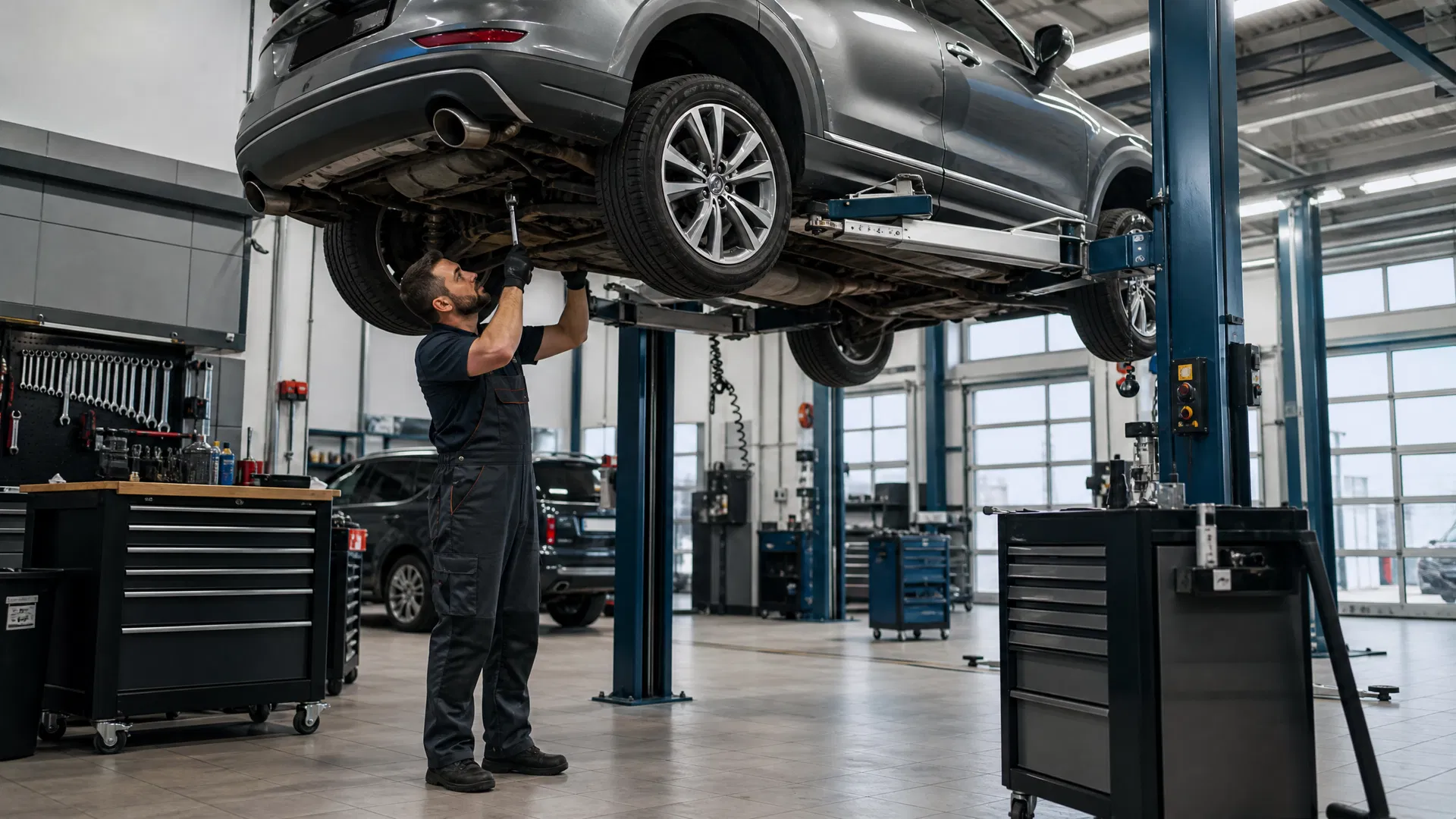
Auto Repair Shop Insurance Checklist
If customer cars are in your bays, a basic liability policy alone may leave important gaps. This auto repair shop insurance checklist helps you separate protection for injuries and third-party damage from protection for…
State requirements
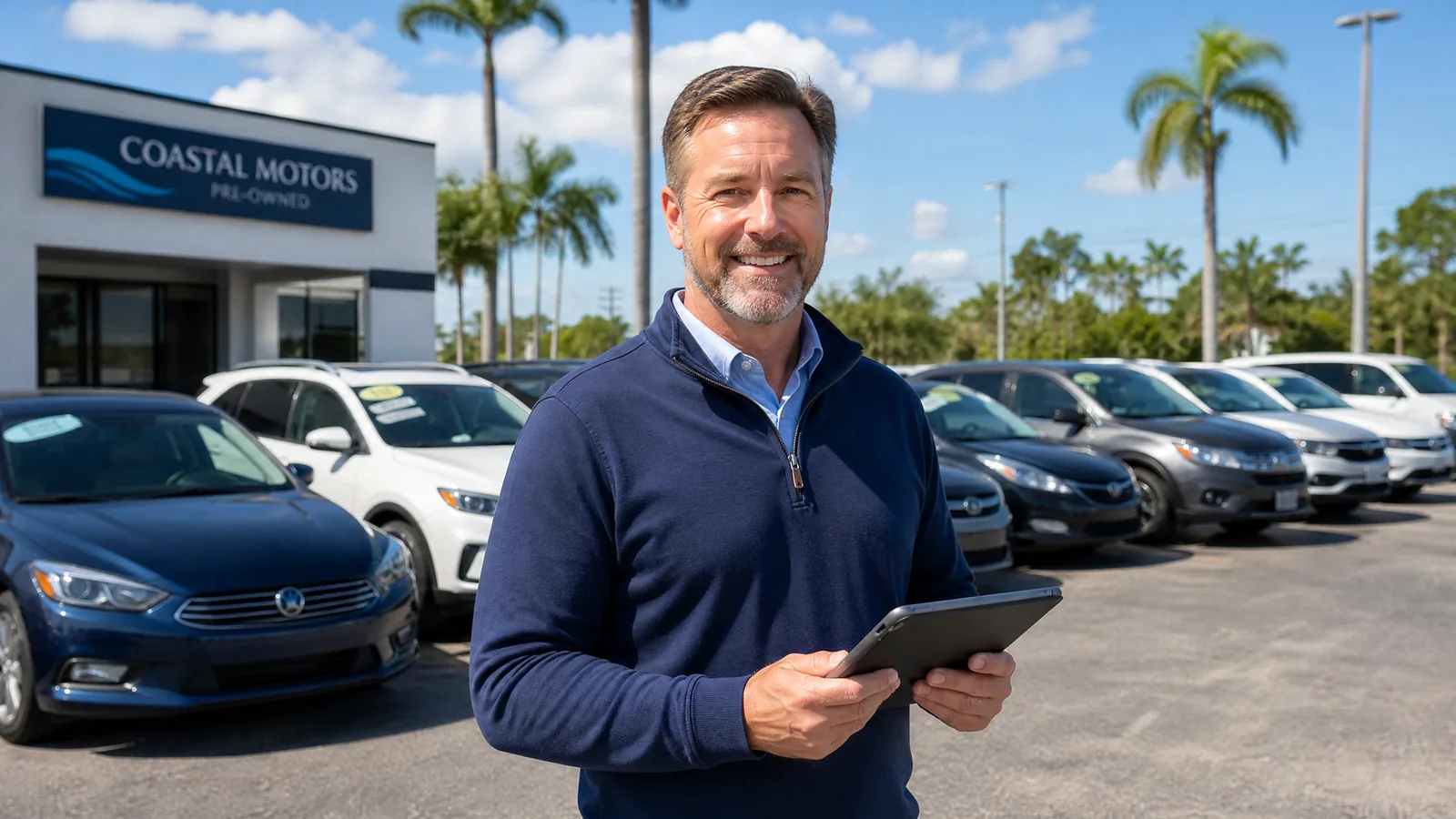
Florida Garage Liability Insurance for Used Car Dealers: 2026 Guide
Florida used-car dealers need protection that does more than satisfy a license filing. A serious test-drive injury, damage to a customer's vehicle, or a loss across the inventory can create an expense that the filing…
Industry guides
Dealer Inventory Insurance for Hail, Wind and Flood Losses
Hail, wind, or flood can damage a sale-ready lot in hours—leaving a dealership with reconditioning costs, impaired inventory value, and floor-plan obligations that do not pause after a storm. The practical answer is to…
Next step
Competitive pricing. An insurance team in your corner.
Take advantage of Ellie's industry-focused programs and competitive market access. Let us help you find coverage for the way you work, compare the real protection behind the price, and support your business after you buy.