Skip to main content
Monday–Friday · 9:00 AM – 5:00 PM ET·independent · Insuring businesses nationwide

Licensed Business Insurance Agent
9 min read
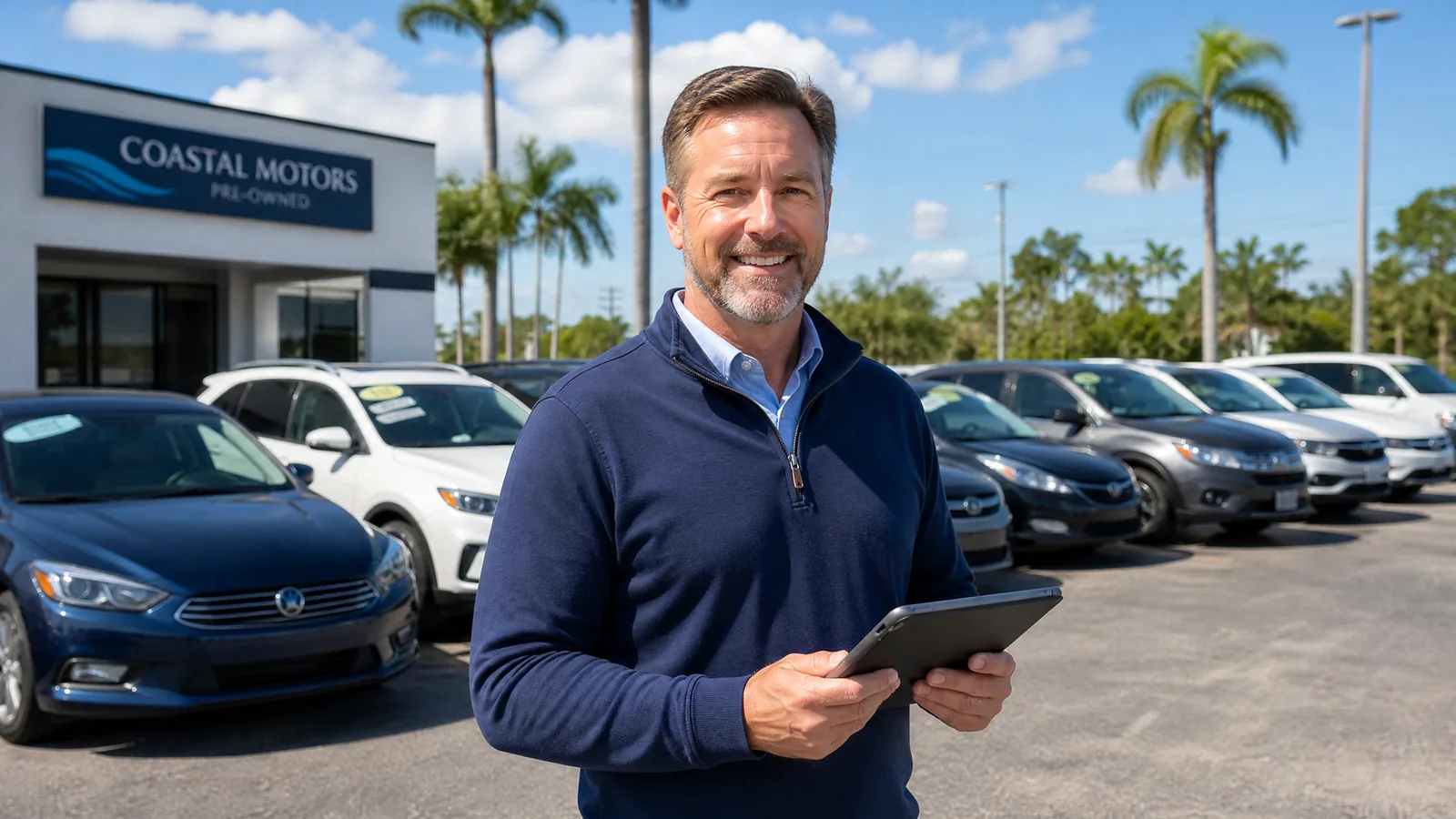
Florida used-car dealers need protection that does more than satisfy a license filing. A serious test-drive injury, damage to a customer's vehicle, or a loss across the inventory can create an expense that the filing itself does not address. The practical answer is to match liability coverage, customer-vehicle protection, and inventory protection to the way your dealership operates and the loss it could not comfortably absorb.
For an independent dealer (VI), Florida accepts either a garage liability certificate or a general liability policy paired with a business automobile policy. Each option must show at least $25,000 combined single-limit liability coverage for bodily injury and property damage, plus $10,000 personal injury protection (PIP). A $25,000 surety bond or irrevocable letter of credit is also required. These are licensing minimums; the actual policy forms, limits, covered autos, drivers, deductibles, and exclusions determine whether a particular loss is covered. [1] [2]
Ellie Insurance Group helps Florida used-car dealers compare highly competitive pricing and access industry-focused insurance programs based on the coverages that matter to a lot: liability terms, customer vehicles in your care, inventory values, deductibles, and exclusions. Start an Instant Quote to compare options beyond the license certificate.
The Licensing Requirements and What They Do
For a new independent-dealer application, FLHSMV's checklist includes a dealer-training completion document, the required insurance evidence, and the original $25,000 surety bond or an irrevocable letter of credit, along with other application documents. [2] The insurance evidence is for the license period. The certificate must also state the number of dealer license plates the insurer authorizes for the dealership. [1] [2]
| Requirement | What Florida requires for an independent dealer | What it means for the business |
|---|---|---|
| Insurance evidence | Garage liability certificate or general liability paired with business auto; at least $25,000 combined single limit for bodily injury/property damage and $10,000 PIP | It satisfies a licensing condition; the actual forms, limits, covered autos, drivers, and exclusions still control a claim. |
| Dealer plates | The garage/general-liability certificate must show the insurer-authorized number of dealer plates | Make sure the number matches how the business will operate before relying on a plate. |
| Financial security | $25,000 surety bond or irrevocable letter of credit | It backs specified dealer obligations; it is not physical-damage insurance for the dealership. |
| Filing changes | Deliver evidence of a new, renewed, continued, or changed policy and bond/letter of credit to the department within 10 calendar days | Treat a renewal, cancellation replacement, or material change as an administrative deadline—not just a renewal task. |
Florida's $25,000 liability figure is a legal floor. Decide whether a higher limit is appropriate by looking at test-drive and dealer-plate exposure, the value of business assets, and requirements in a lease, lender agreement, or sales contract. If you consider an umbrella or excess policy, confirm that it actually schedules the underlying garage liability or other liability coverage and does not create a gap through its own exclusions or attachment terms.
Garage Liability Is Not a Blank Check
Garage liability commonly combines liability protection for garage operations with auto liability. It may respond to third-party injury or property-damage claims tied to covered garage operations, including a covered test drive. It is different from physical-damage coverage for a customer's vehicle and different from coverage for your owned inventory. [4]
Before relying on a quote, ask which autos are covered, who may drive them, how dealer plates and test drives are treated, and what exclusions and deductibles apply. The state certificate confirms that the licensing minimum was submitted; it does not answer every one of those claim questions. Reading those terms before a loss helps avoid an unexpected out-of-pocket expense or a dispute when the business needs to stay open.
The Bond Is Financial Security, Not Dealership Insurance
The $25,000 bond or letter of credit is a dealer-license requirement. Under Florida law, it is conditioned on compliance with written vehicle-sale or exchange contracts and Chapters 319 and 320, and it benefits a person in a retail or wholesale transaction who suffers a qualifying loss. [1] [3]
That makes the bond different from insurance that may address the dealership's liability, customer vehicles, or owned inventory. Do not assume it pays for an accident, theft, weather damage, or another business loss. If you use a surety bond, read the separate indemnity agreement as well so you understand any reimbursement obligation connected to a paid bond claim.
Protect Customer Vehicles Separately With Garagekeepers Coverage
Garagekeepers coverage is for physical damage to customer vehicles in your care, custody, or control—for example, when a lot also performs service, repairs, or detailing. It is different from garage liability, which addresses third-party liability rather than physical damage to the customer's auto. [4]
The form matters:
- Legal liability generally responds only when the dealership is legally responsible for the covered damage.
- Direct primary may respond to covered physical damage regardless of legal liability, subject to the policy's terms and deductible.
- Direct excess is generally designed to apply after the customer's applicable insurance for a covered loss; confirm the exact policy wording and coordination with the customer's policy before choosing it. [7]
Set the garagekeepers limit with the combined value of customer vehicles that could be in your care at one time in mind, not just the value of one vehicle. Review the deductible and exclusions too. Faulty workmanship, defective parts, warranties, and non-factory-installed equipment are examples of items that may not be covered by a typical garage policy. [4]
Protect Owned Inventory With Dealers Open Lot Coverage
Dealers open lot is physical-damage coverage for dealer inventory and owned autos under the policy's stated terms. It is not a Florida dealer-license requirement. Programs can also treat false-pretense coverage separately from open-lot coverage, so do not assume that coverage for a fraudulent voluntary transfer or acquisition is included just because the quote says "dealers open lot." [5] [6]
For a lot that carries inventory, compare the maximum amount at risk at the busiest point of the year with the policy's per-vehicle limit, total limit, catastrophe or weather aggregate (if any), and deductible. A $5,000 deductible, for example, is cash the business may need to fund before covered physical damage is paid. If inventory is financed or floor-planned, compare the insurance terms with the lender or floor-plan agreement as well.
Florida weather makes this review particularly important, but wind, flood, hail, named-storm, and other catastrophe treatment varies by policy and location. Ask what perils are included, any aggregate that limits total weather recovery, and how the deductible works before assuming a single event affecting many vehicles will be covered. One dealer program, for example, says a weather aggregate may be available depending on territory, illustrating why the quote and its endorsements—not a generic label—need review. [5]
What Affects the Cost of a Florida Used-Car Dealer Policy?
A dependable price is the premium and terms shown in your own quote, not a generic online range. Cost can change with the location and catastrophe concentration, inventory value and turnover, financed inventory, dealer plates and drivers, service or detailing work, claims history, requested limits, deductibles, and the carrier program's terms.
When comparing quotes, put the premium beside the protection that affects your cash flow after a loss: liability limits, garagekeepers basis, inventory and weather limits, false-pretense terms, deductibles, and exclusions. Ellie can help you make that comparison across industry-focused programs and highly competitive options instead of treating the licensing certificate as the only decision.
Related coverage
Used Car Dealer Insurance
Compare competitive dealer-program pricing and protection for the inventory, test drives and daily operations behind your business.
When to Review the Policy and File Updates
Review the program when peak inventory changes, you add dealer plates or drivers, or you begin service, detailing, or repair work. Those changes can affect your exposure, policy schedule, carrier requirements, or contracts; they do not automatically change Florida's statutory minimums.
Florida law requires the dealer to deliver evidence of a new, renewed, continued, or changed insurance policy and bond or letter of credit to the department within 10 calendar days. 1 Before the period when you expect the most inventory or severe weather, also compare the inventory limit, catastrophe or weather terms, and deductible with the value you would have at risk on the lot.
If you are already an Ellie customer and need a policy review, replacement certificate, or help reporting a claim, call 813-582-5215 or email quote@ellieinsurancegroup.com. You do not need to request a new quote to ask for help.
Related Pages
| Page | Why it may matter for dealers |
|---|---|
| Used Auto Dealer Insurance | Coverage overview for used auto lots. |
| Garage & Dealer Coverage | Overview of dealer coverage lines. |
| Commercial Property Insurance | Building and business-contents coverage. |
| Commercial Umbrella Insurance | Excess liability coverage to evaluate alongside the underlying policy. |
| Florida Commercial Insurance | State-specific commercial coverage support. |
FAQs
What insurance does Florida require for a used-car dealer license?
An independent (VI) dealer can provide a garage liability certificate or a general liability policy paired with a business automobile policy. The required minimum is $25,000 combined single-limit bodily injury/property-damage liability coverage and $10,000 PIP. The application also requires a $25,000 surety bond or irrevocable letter of credit. 1 2
Is the $25,000 liability minimum enough for my business?
It is enough to meet the Florida licensing minimum, but not necessarily enough to protect the business after a serious injury or property-damage claim. Compare likely loss severity, business assets, contracts, test-drive and dealer-plate exposure, and policy exclusions when selecting a limit. An umbrella or excess policy helps only as its schedule, attachment point, and terms allow.
What is the difference between the bond and insurance?
The bond or letter of credit is financial security for specified dealer obligations under Florida law, including obligations tied to written vehicle-sale or exchange contracts. It is not insurance for every business loss. Liability, garagekeepers, and inventory coverage each address different risks and are governed by their own policy terms. 1 3
What is garagekeepers coverage?
Garagekeepers coverage may cover physical damage to a customer vehicle while it is in the dealership's care, subject to the form, limits, deductible, and exclusions. Legal-liability, direct-primary, and direct-excess versions have different triggers, so confirm which one is quoted before a customer leaves a vehicle with you. 4
Do I need dealers open lot coverage in Florida?
Florida does not require dealers open lot coverage for the dealer license. Consider it if a theft, collision, fire, weather event, or other physical-damage loss to owned inventory would materially disrupt the business. Confirm the covered perils, total and weather limits, false-pretense treatment, and deductible rather than assuming every loss is covered. 5 6
How much does it cost to insure a Florida used-car lot?
The premium depends on the operation and the protection selected, including inventory values, location, drivers and dealer plates, service work, claims history, limits, deductibles, and policy terms. Request a written comparison that shows price alongside the important limits and exclusions; a broad online price range is not a reliable budget for a particular dealership.
Instant Quote
Get a comparison designed for how your Florida used-car lot actually operates. Ellie Insurance Group can compare highly competitive pricing and industry-focused programs for liability, customer vehicles, owned inventory, deductibles, and policy terms—not just the license certificate. Start an Instant Quote.
Sources
This guide is general information, not legal, licensing, tax, or insurance advice. Florida requirements and policy terms can change. Confirm current licensing requirements with FLHSMV and coverage with the actual policy and a licensed insurance professional.
Put Ellie on your side
Ellie gives your business access to industry-focused programs and highly competitive pricing. We help you compare what you pay with the protection you are buying, and stay in your corner after you buy. Explore the related coverage options or let us help with your business.
About the author
Licensed Business Insurance Agent · Ellie Insurance Group
Licensed business insurance agent at Ellie Insurance Group · Access to 100+ carrier markets.
More about KevinKeep reading
Related Articles
Compliance & renewals
Auto Repair Shop Insurance Checklist
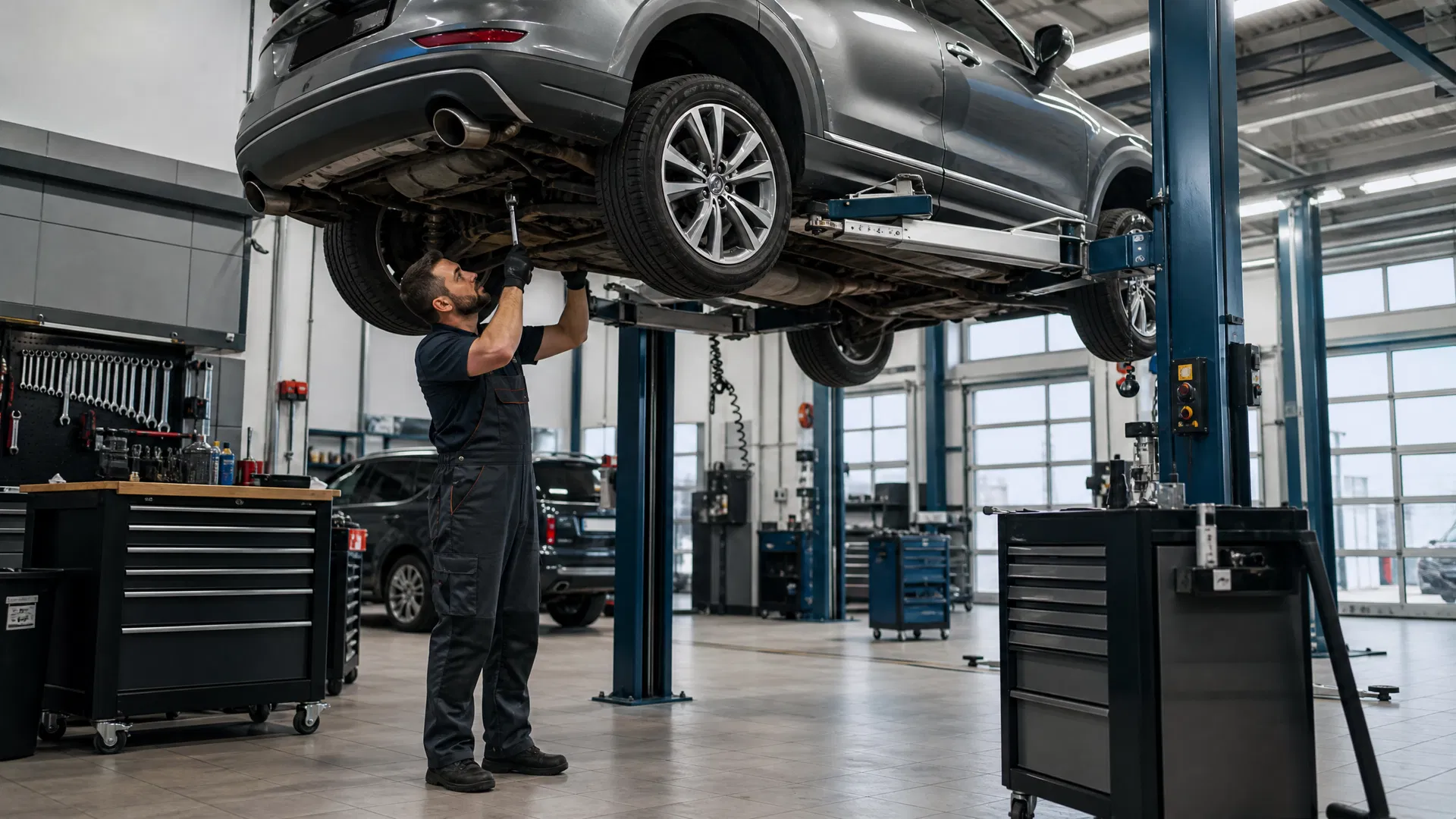
If customer cars are in your bays, a basic liability policy alone may leave important gaps. This auto repair shop insurance checklist helps you separate protection for injuries and third-party damage from protection for…
State requirements
Commercial Auto Insurance in Florida: Coverage, Rules, and Costs
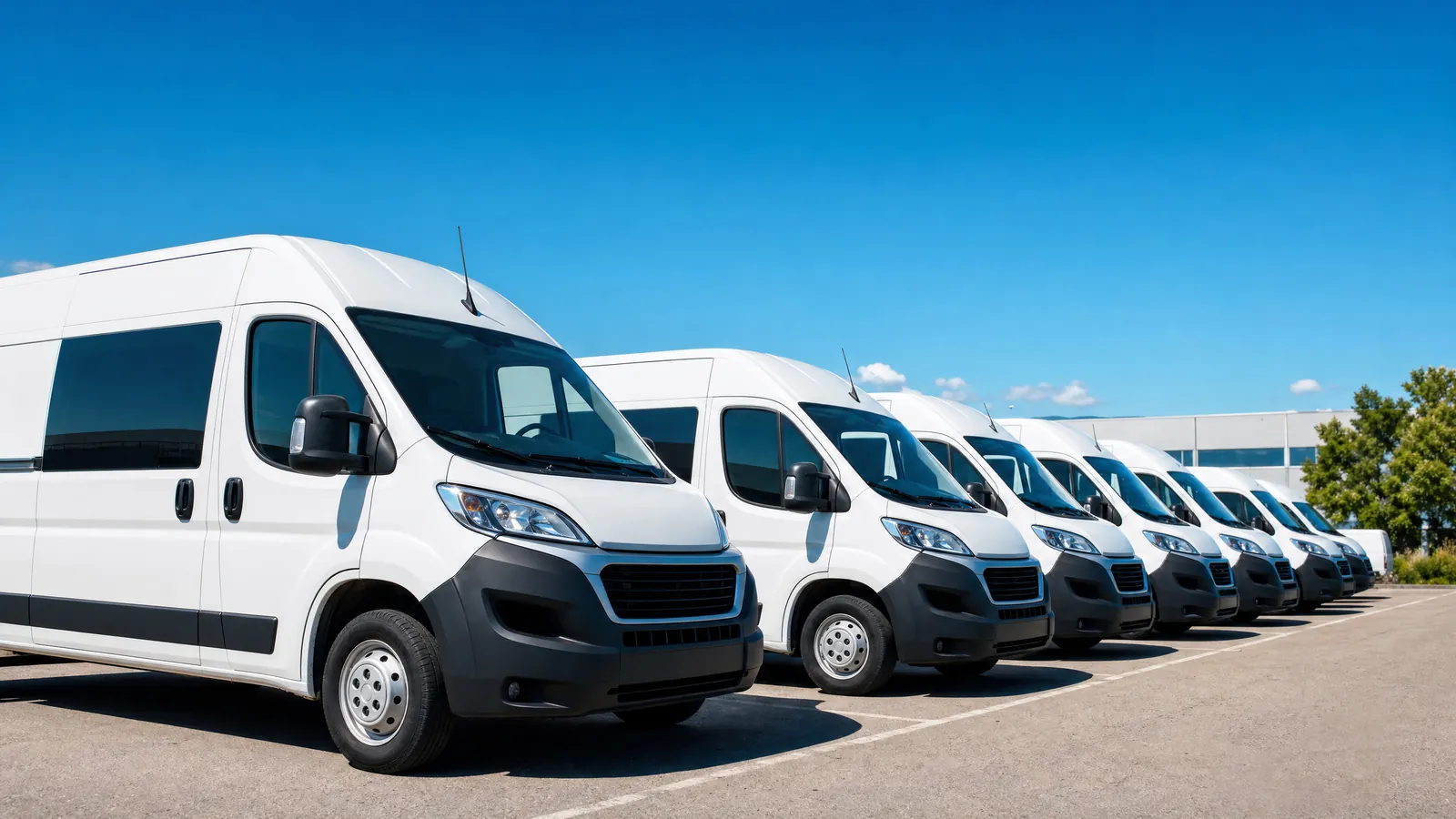
When a work vehicle is in a crash, the expense can reach beyond the repair bill: a driver may be unable to make calls, a crew may miss jobs, and a customer contract may require limits the business did not buy. The…

Trucking
Broker and Shipper COI Requests: What Motor Carriers Must Check Before Dispatch
A broker or shipper needs your certificate of insurance (COI). Learn what it can show, what it cannot change, and how to compare the request with your cargo and auto coverage before dispatch.
Next step
Competitive pricing. An insurance team in your corner.
Take advantage of Ellie's industry-focused programs and competitive market access. Let us help you find coverage for the way you work, compare the real protection behind the price, and support your business after you buy.