Skip to main content
Monday–Friday · 9:00 AM – 5:00 PM ET·independent · Insuring businesses nationwide

Licensed Business Insurance Agent
8 min read
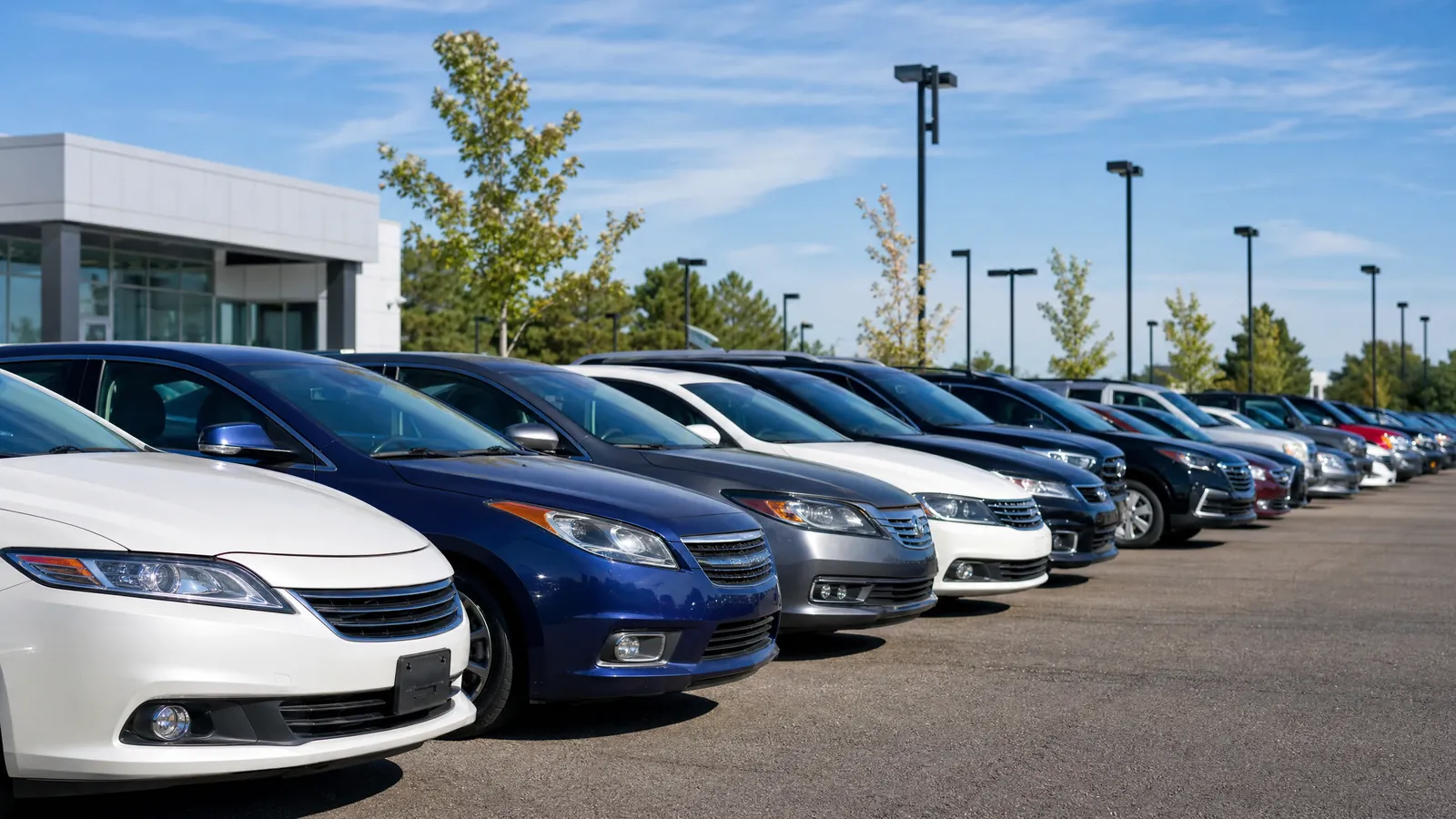
You need used car dealer insurance that keeps an accident, inventory loss, or licensing requirement from becoming a threat to the cash your business uses to buy, sell, and finance vehicles. Start with the insurance your dealer license, lender, lease, or contracts require. Then match the policy to how you operate: sales-only or sales plus service, the value and location of your inventory, who drives dealer vehicles, and whether you hold customer vehicles or customer data.
The practical goal is not to collect every policy label. It is to protect the revenue-producing parts of the dealership—your lot, vehicles, sales activity, people, and customer relationships—without discovering a major limit, deductible, or exclusion after a loss.
Start With What Your Dealership Actually Does
Every dealer should separate required insurance from coverage that protects a business decision or an exposure. Your state dealer license may require a particular liability policy or minimum limit. A floor-plan lender, landlord, auction, or contract may impose additional terms. Those requirements are a starting point, not proof that a policy will cover the value at risk in your operation.
Before comparing used car dealer insurance, identify:
- whether you retail, wholesale, finance in-house, consign, transport, or repair vehicles;
- your average and peak inventory value, highest-value vehicle, and every lot or storage location;
- how you use dealer plates, control keys, and conduct test drives;
- whether customers leave vehicles with you for service, storage, trade-in work, or transport;
- the property, equipment, payroll, electronic customer records, and contracts that keep the dealership operating.
These facts affect both the protection you need and the price you compare. For example, a dealer whose cash is tied up in a high-value outdoor lot has a different physical-damage concern than a sales-only dealer with a small indoor inventory. A dealer that performs repairs takes on a customer-vehicle exposure that a sales-only lot may not have.
Core Coverage for Most Used Car Dealers
Garage auto liability
Garage auto liability may cover covered bodily-injury and third-party property-damage claims arising from the garage operations and covered autos shown in the policy. It matters when an employee moves a vehicle, a customer test-drives one, or someone is hurt on the lot.
The policy declarations and endorsements determine which autos are covered, who is insured, the limits, and the exclusions. Before offering test drives, confirm the covered-auto designation, customer and employee driving terms, any dealer-plate requirements, and the liability limit. A liability policy does not automatically pay for physical damage to a dealer-owned vehicle; that is a separate inventory physical-damage question.
Dealer open lot insurance
Dealer open lot (DOL) is physical-damage coverage for dealer-owned inventory. It is designed to protect capital tied up in vehicles after covered losses such as theft, vandalism, or weather damage—not to replace liability coverage.
Check the inventory limit, valuation method, deductible, every covered location, and the maximum value at one location or for one vehicle. Ask specifically how the policy treats wind, hail, flood, false pretense, transit, off-site storage, and catastrophe deductibles. A lower premium can be a poor trade if a peak-inventory limit, named-storm deductible, or location restriction leaves a significant part of the lot exposed.
Garagekeepers coverage for customer vehicles
If you repair, service, store, tow, or otherwise take customer vehicles into your care, ask about garagekeepers coverage. It addresses physical damage to customer vehicles in your care, custody, or control. It is distinct from dealer open lot insurance, which concerns your owned inventory.
Review the coverage trigger, listed locations, per-vehicle and occurrence limits, deductible, covered causes of loss, and treatment of personal belongings left in a vehicle. Do not assume every loss to a customer vehicle is covered merely because the dealership has garage liability.
Property and income protection
Commercial property coverage can protect the building you own and business personal property such as office equipment, tools, furniture, computers, signage, and parts, subject to the policy terms. Business-income coverage can be important when a covered property loss interrupts sales or forces a temporary move. Match property limits to replacement cost and consider how long the dealership could operate with a damaged office, disabled computer system, or inaccessible lot.
Coverage That Depends on Your Operations
Some insurance becomes important only when a particular exposure exists:
- Workers’ compensation helps with employee work-injury obligations and may be required by law.
- Cyber liability can address response expenses and liability following a covered data incident. It matters more when the dealership holds finance applications, payment information, or other customer records.
- Commercial crime coverage can be relevant to employee dishonesty, forgery, theft of money or securities, or similar covered losses.
- Employment practices liability insurance (EPLI) can help with covered employment-related allegations, such as wrongful termination, discrimination, or harassment.
- Umbrella liability may add liability limits over scheduled underlying policies when a severe covered claim could exceed the primary limit.
Rental or loaner vehicles, body work, towing, repossession, pollution exposure, and buy-here-pay-here financing each deserve a separate discussion. The important question is whether the activity produces income for your dealership or creates a loss you could not comfortably absorb.
Related coverage
Explore Commercial Coverages
Compare competitive pricing and meaningful protection for the way your business works, with Ellie on your side.
Avoid the Gaps That Hurt Dealers Most
The most expensive insurance mistake is often a mismatch between the policy and the way the dealership earns money. Review these points before you bind or renew:
- Inventory changes: Raise or recheck DOL limits when peak inventory, average vehicle value, or the number of lots changes.
- Weather and water: Confirm wind, hail, flood, and named-storm terms for each location. Flood and hurricane-related protection may have separate terms, limits, or substantial deductibles.
- Test drives and dealer plates: Confirm the covered autos, drivers, dealer-plate use, and written test-drive controls before a loss occurs.
- Customer vehicles: If you accept service work or storage, separate your customer-vehicle protection from your inventory coverage.
- Lender and landlord requirements: Compare required wording, limits, deductibles, and loss-payee requirements with the policy—not just the certificate.
- Customer information: If you collect credit applications, payment details, or online leads, review how a data incident would affect your ability to serve customers and continue selling.
Protection beyond a legal minimum is a buying objective, not a promise that every loss will be insured. A policy's declarations, endorsements, exclusions, deductibles, and conditions control how a particular claim is handled.
Florida Requirements for Used Vehicle Dealers
Florida licensing requirements are separate from the insurance program that may make sense for your risk. For an independent, auction, or wholesale dealer applicant, the Florida Department of Highway Safety and Motor Vehicles allows either a garage liability certificate or a general-liability policy paired with business auto coverage. Each option must show at least $25,000 combined single-limit liability for bodily injury and property damage and $10,000 personal injury protection. The certificate must also include the number of dealer plates authorized by the insurer. 1 2
That is a licensing minimum, not necessarily the limit or coverage structure a floor-plan lender, landlord, or higher-value operation needs. Requirements can change, so Florida dealers should verify the current rule with FLHSMV before relying on a minimum. Dealers in other states should check the licensing authority where they operate.
For a Florida non-construction dealership, workers' compensation coverage is generally required at four or more employees, including business owners who are corporate officers or limited liability company members. Non-construction sole proprietors and partners are treated differently, and qualifying owners may seek exemptions. 3 Check the current state rule wherever employees work.
How Ellie Helps Used Car Dealers
Ellie Insurance Group helps you compare highly competitive pricing across multiple markets and access industry-focused dealer insurance programs. The conversation centers on the protection behind the price: garage auto liability for the way your team and customers use vehicles, DOL limits that reflect your inventory, garagekeepers when customer vehicles are in your care, and the property, workforce, or data exposures that could interrupt sales.
If you are already an Ellie client and your inventory, location, services, lender, or dealer-plate use has changed, contact your account team or call 813-582-5215 to review the change before it becomes a coverage surprise.
When to Review Your Policy
Review your program when you add higher-value inventory, open or close a lot, add service or repair work, change floor-plan lenders, begin using loaners or rentals, hire staff, or take on new customer-data practices. An annual review is also a useful time to compare current values, deductibles, and contract requirements against what is actually insured.
Related Commercial Insurance Pages
- Used Auto Dealers Insurance
- Garage Liability Insurance
- Dealer Open Lot Insurance
- Commercial Property Insurance
FAQs
Is garage auto liability the same as general liability for a used car dealer?
No. Garage auto liability is designed for garage operations and the covered autos identified in the policy. General liability and garage auto liability can address different exposures, and a Florida independent dealer may use a general-liability policy coupled with business auto coverage for its licensing requirement. 1 Review the actual coverage form and endorsements rather than assuming one label replaces the other.
Does dealer open lot insurance cover customer vehicles?
No. DOL concerns dealer-owned inventory. If you take customer vehicles into your care for service, repair, storage, towing, or similar work, ask whether garagekeepers coverage is needed and how its limits, deductible, locations, and coverage trigger apply.
What happens if a customer crashes during a test drive?
Liability for a test-drive accident depends on the covered-auto designation, who qualifies as an insured, permission and customer-agreement terms, limits, and policy exclusions. Physical damage to a dealer vehicle is a separate DOL question. Confirm both before offering test drives rather than assuming that the same policy solves both problems.
Are used car dealers required to have workers’ compensation insurance?
The rule depends on the state and the employer's structure. In Florida, a non-construction employer generally needs workers' compensation coverage at four or more employees, including corporate officers and LLC members; sole proprietors, partners, and qualified owner exemptions have different treatment. 3
How can Ellie Insurance Group help used car dealers with insurance?
Ellie can compare competitive dealer-program options and help you weigh the limits, deductibles, locations, covered operations, and policy terms that affect your inventory, test drives, customer vehicles, and ability to keep selling after a loss. Start with an Instant Quote to discuss your dealership's coverage needs.
Sources
Put Ellie on your side
Ellie gives your business access to industry-focused programs and highly competitive pricing. We help you compare what you pay with the protection you are buying, and stay in your corner after you buy. Explore the related coverage options or let us help with your business.
About the author
Licensed Business Insurance Agent · Ellie Insurance Group
Licensed business insurance agent at Ellie Insurance Group · Access to 100+ carrier markets.
More about KevinKeep reading
Related Articles
Compliance & renewals
Auto Repair Shop Insurance Checklist
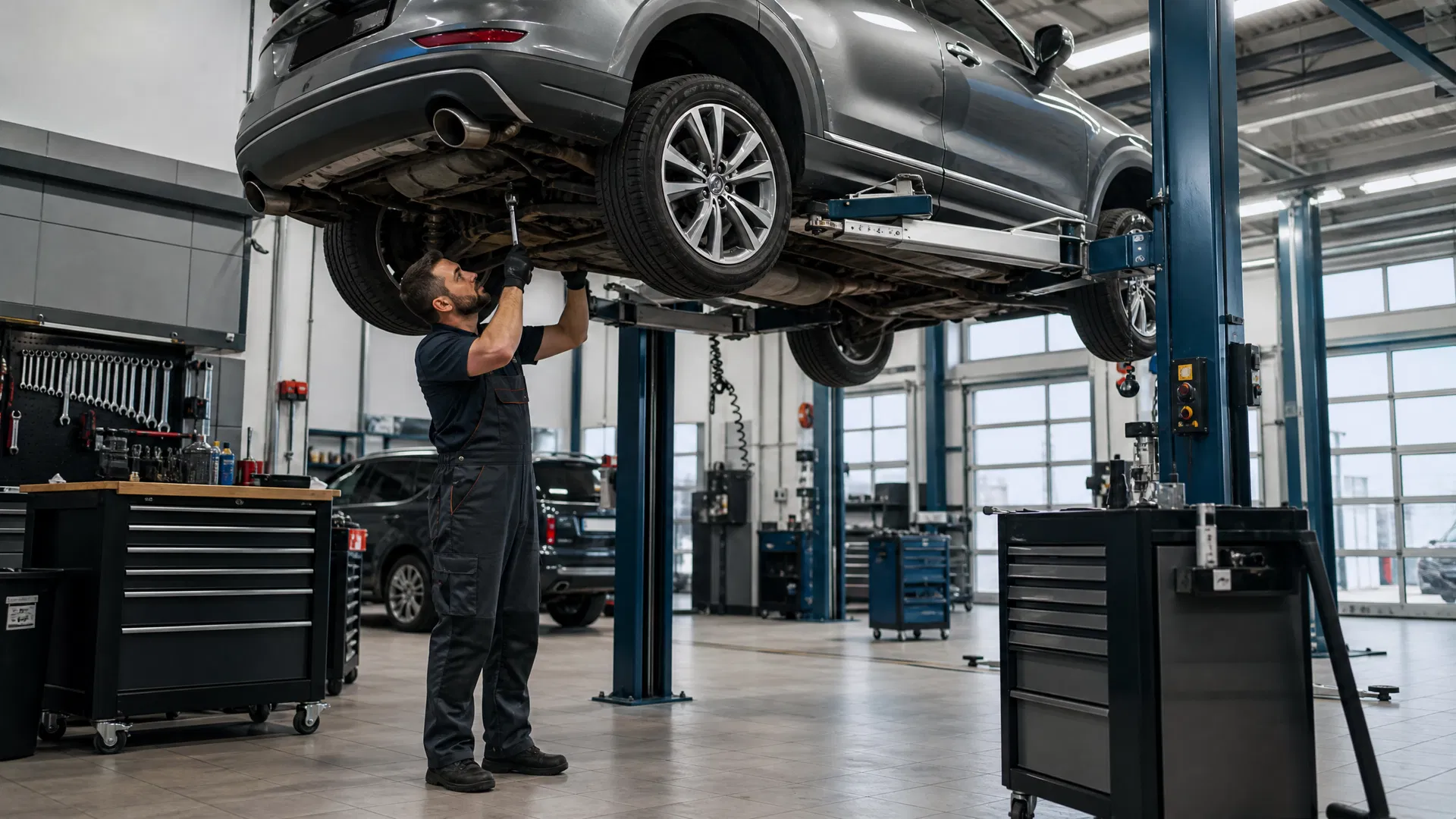
If customer cars are in your bays, a basic liability policy alone may leave important gaps. This auto repair shop insurance checklist helps you separate protection for injuries and third-party damage from protection for…
State requirements
Florida Garage Liability Insurance for Used Car Dealers: 2026 Guide
Florida used-car dealers need protection that does more than satisfy a license filing. A serious test-drive injury, damage to a customer's vehicle, or a loss across the inventory can create an expense that the filing…
Industry guides
Dealer Inventory Insurance for Hail, Wind and Flood Losses
Hail, wind, or flood can damage a sale-ready lot in hours—leaving a dealership with reconditioning costs, impaired inventory value, and floor-plan obligations that do not pause after a storm. The practical answer is to…
Next step
Competitive pricing. An insurance team in your corner.
Take advantage of Ellie's industry-focused programs and competitive market access. Let us help you find coverage for the way you work, compare the real protection behind the price, and support your business after you buy.