Skip to main content
Monday–Friday · 9:00 AM – 5:00 PM ET·independent · Insuring businesses nationwide

Trucking · Hot Shot
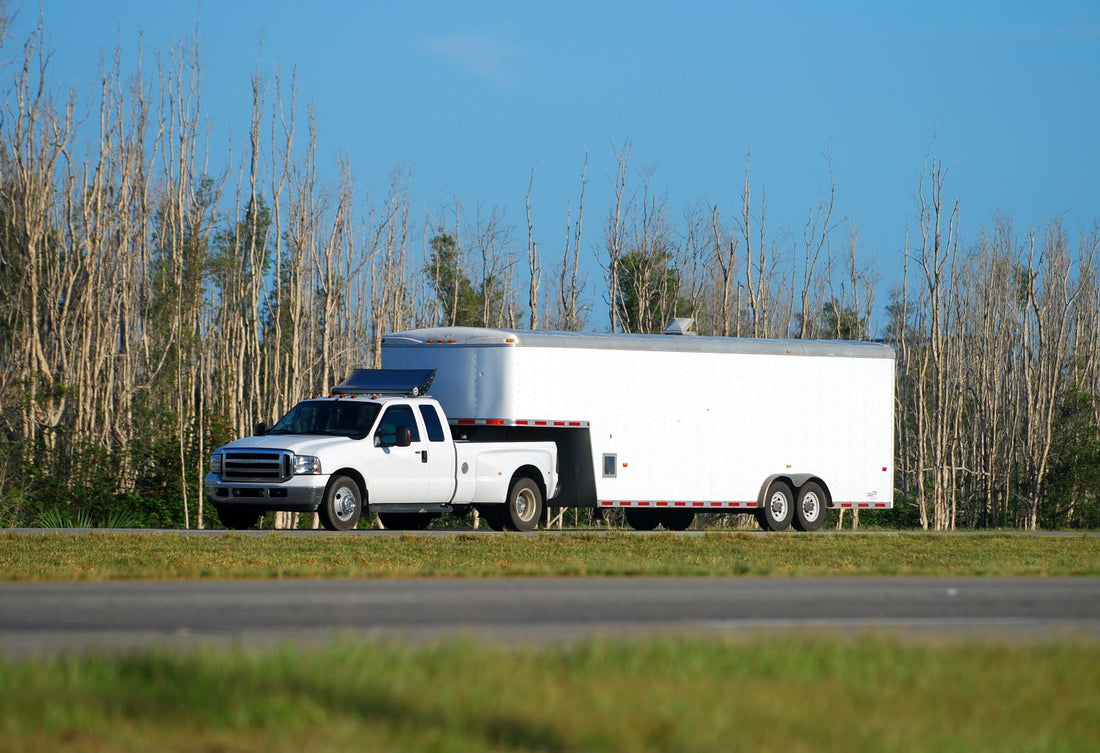
Hot Shot Trucking Insurance — pickup-and-trailer expedited freight
Hot-shot operations can include pickups, medium-duty trucks, and trailers moving time-sensitive loads. The right auto liability, cargo, physical damage, trailer, and filing requirements depend on equipment weight, authority, commodities, and contract terms—not a universal hot-shot minimum.
At a Glance
- Operation
- Expedited freight
- Equipment
- Pickup · truck · trailer
- Authority
- Own or leased-on
- Fleet review
- One or more vehicles
Quick answer
Ellie Insurance Group is an independent business insurance agency headquartered in Tampa, Florida that shops 100+ carrier markets to review hot shot trucking insurance needs for motor carriers and owner-operators. Commercial auto liability, physical damage, and motor truck cargo address different exposures; filings and federal financial responsibility depend on the operation and authority. A licensed agent can review your trucks, drivers, cargo, and lanes to discuss available options.
Coverage
What this trucking program covers
- Primary auto liability
Review bodily injury and property damage limits against applicable rules and contracts.
- Physical damage
Collision and other selected perils for eligible trucks and trailers, subject to policy terms.
- Motor truck cargo
Review commodities, load values, exclusions, and shipper or broker requirements.
- Non-trucking liability
A separate question for some leased-on operators; eligibility depends on actual use.
- Trailer interchange
Review non-owned trailer responsibility under an interchange agreement if applicable.
- Authority filings
Have the insurer or authorized filer confirm which forms apply; MCS-90 is an endorsement.
Federal authority and the right insurance filings sit underneath all of this. If you run interstate, see how FMCSA filings and financial-responsibility rules (MCS-90, BMC-91/91X, BOC-3, and UCR) tie into the coverage above.
Common gaps
What it typically won't cover
- Undisclosed commodities or operations can cause underwriting or coverage problems.
- Cargo exclusions, theft conditions, and limits depend on the issued form.
- A non-owned trailer is not automatically covered for physical damage.
- Personal or off-dispatch use should be reviewed rather than assumed covered.
Illustrative loss scenarios
Where coverage questions arise
These examples illustrate exposures, not actual Ellie claims or guarantees of payment. The policy terms and loss facts determine whether a claim is covered.
Trailer incident on a run
If a trailer comes loose in transit, auto liability, truck/trailer physical damage, and cargo each require separate review. The insured vehicles, equipment, load, and facts control the response.
Load damaged at delivery
An expensive load is damaged during unloading. Whether motor truck cargo applies depends on the form, commodity, cause, exclusions, and limit.
New-venture filing delay
A carrier starting its own authority must confirm its insurer or authorized filer has submitted the applicable insurance evidence before operating; do not treat a quote or application as active authority or bound coverage.
Pricing
What drives this premium
Truck and trailer
Equipment type, values, and weight class influence underwriting.
Operating territory
Usual lanes and radius help carriers understand exposure.
Commodities and loads
Describe what you move and typical maximum load value.
Drivers and claims
Driver experience, records, and prior loss history matter.
Authority status
Tell the agent whether you run under your own authority, are leased on, or are starting a new venture.
Selected terms
Limits, deductibles, and optional coverages influence the overall quote.
Want a realistic budget before you quote? See typical Florida truck insurance cost ranges by vehicle for primary liability, cargo, and full-program estimates across every equipment type.
Filings & compliance
Authority and insurance filings come first
FMCSA financial-responsibility requirements depend on the operation, cargo, authority, and vehicle weight. For applicable carriers, the insurer or authorized filer submits the required BMC insurance filing; MCS-90 is a policy endorsement, not the same filing. BOC-3 process-agent designation and UCR are separate tasks. Verify current requirements and filing status directly rather than relying on a generic hot-shot rule.
Read the FMCSA filings guideQuote checklist
What we'll need to quote
Quote checklist
What we'll need to quote
- Business contact and primary garaging state
- Own authority, leased-on, or new-venture status
- Truck/trailer count and vehicle weight class
- Commodities, typical load value, and operating lanes
- Desired effective date and any contract limits
- Vehicle/driver schedules and prior policy or loss runs when available
For your next load
Brokered-freight guides
Use the written carrier and broker requirements for your actual trip rather than assuming one equipment label settles coverage.
Related programs
Other trucking programs we write
Run a mixed fleet or a different unit? We place every major motor-carrier class across 100+ markets.
Semi-Truck
OTR and regional Class 8 tractor-trailer programs.
Learn more
Box Truck
Straight trucks for local delivery, moving, and last-mile freight.
Learn more
Dump Truck
Aggregate, debris, and construction hauling with on-site exposure.
Learn more
Flatbed
Open-deck freight with load-securement and tarping exposure.
Learn more
Cargo Van
Sprinter and cargo-van couriers, expediters, and last-mile carriers.
Learn more
See the full lineup on the trucking insurance hub.
FAQ
Frequently Asked Questions
- There is no one-size-fits-all hot-shot limit. FMCSA distinguishes non-hazardous for-hire property carriers below and at/above 10,001 pounds GVWR, and different rules apply to hazardous cargo and other entities. State rules and broker contracts may add requirements. Confirm the current FMCSA chart and your facts with a qualified professional.
- No universal answer applies to the name 'hot shot.' CDL requirements depend on the truck-and-trailer combination, rated weight, use, and applicable rules. Check the current FMCSA and state licensing criteria before dispatch.
- Yes. Tell the agent that authority is pending or new, then confirm whether any available carrier will consider the actual operation. A submitted form does not bind coverage or activate authority.
- No. MCS-90 is an endorsement for applicable carriers; the insurer or authorized filer submits the appropriate FMCSA insurance evidence separately. Confirm which forms and financial-responsibility levels apply to your operation.
Keep reading
Explore related coverage
Trucking Hub
All programs and core lines for motor carriers.
FMCSA Filings
MCS-90, BMC-91/91X, BOC-3, UCR, and authority explained.
Cost by Vehicle
Florida truck insurance price ranges by vehicle and operation.
Motor Truck Cargo
Cargo coverage by commodity.
Non-Trucking Liability
Liability questions for qualifying personal, nonbusiness use.
Commercial Auto
Auto liability fundamentals.
Workers' Compensation
WC for company drivers.
Sources
Authoritative references
- FMCSA — Insurance / Financial Responsibility Requirements
- III — Business Vehicle Insurance (Insuring Your Business)
- IRMI — Insurance Glossary
Coverage descriptions and regulatory figures on this page are general summaries reviewed against the references above and are not a statement of coverage, legal advice, or a guarantee of eligibility or price. Last reviewed . Requirements and policy terms change — always confirm current rules with the relevant agency and verify coverage against the actual policy and a licensed agent.
Carrier access
Access to 100+ A-rated commercial markets
As an independent agency we shop 100+ admitted and surplus-lines carrier markets — so the carrier competes for your business, not the other way around.




































+75 more
Next step
Ready to shop commercial coverage?
Start an instant quote or speak with a commercial agent. We'll review available markets and the carrier's requirements before coverage can be bound.