Skip to main content
Monday–Friday · 9:00 AM – 5:00 PM ET·independent · Insuring businesses nationwide

Contractors · Landscaping
Landscaping Contractor Insurance for Florida Lawn, Irrigation, Hardscape, and Tree
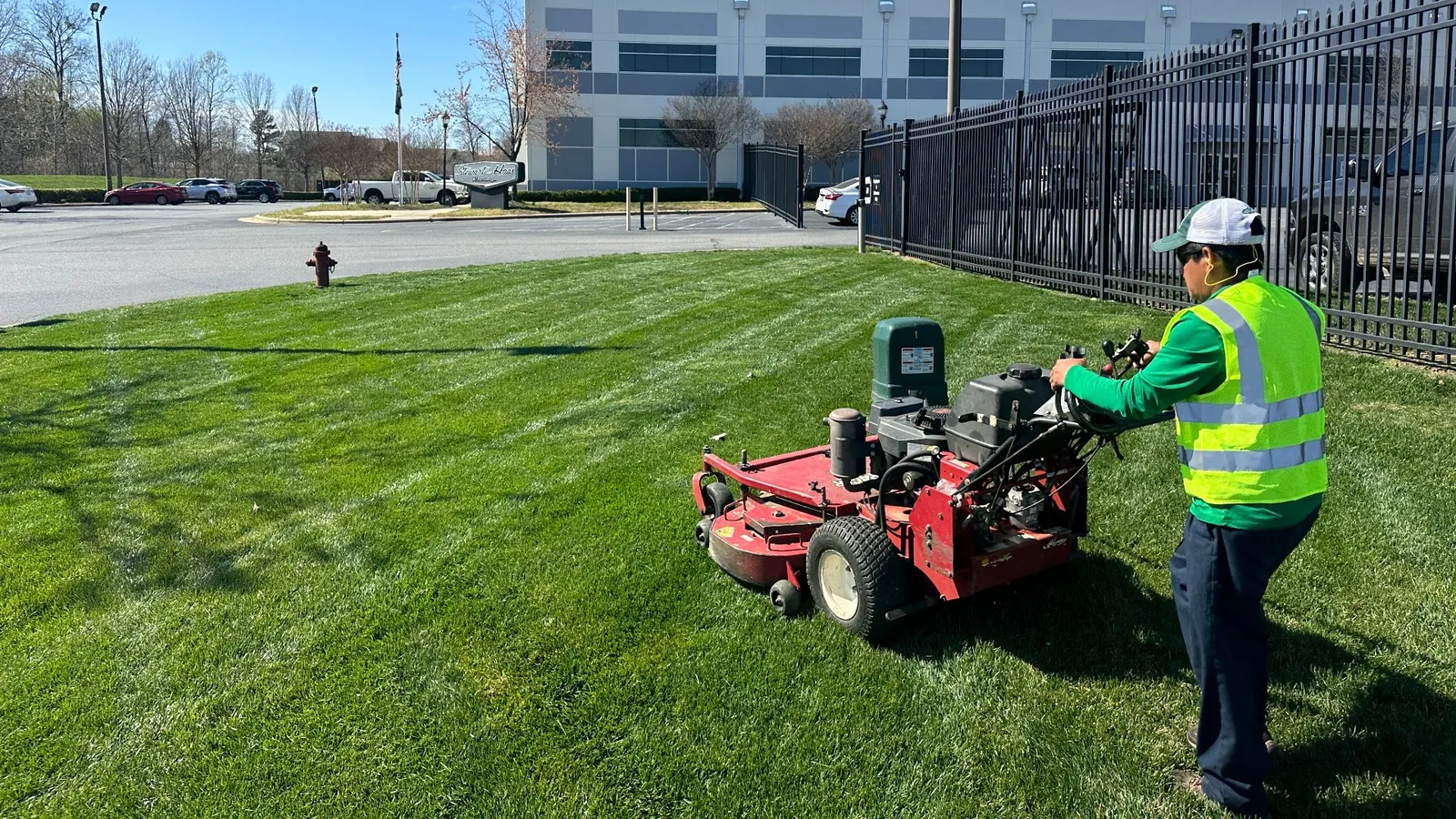
Landscaping exposure runs from mowing and lawn care to irrigation, hardscape, tree work, and pesticide application. Tree work, chemical handling, and equipment in transit drive most of the premium and most of the contract requirements.
At a Glance
- Best for
- Lawn · Irrigation · Hardscape · Tree · Pesticide
- Markets
- 100+ carrier markets
- Independent
- Tampa & Brooksville
- Licensed
- FL · TX · NC · SC · GA · NM · UT
Quick answer
Ellie Insurance Group is an independent business insurance agency headquartered in Tampa, Florida that shops 100+ carrier markets to place landscaping contractor insurance — typically general liability, workers' compensation, commercial auto, and tools/equipment coverage — for landscaping contractor businesses. As an independent broker we compare real quotes side by side and handle the contract certificates (additional insured, waiver of subrogation, primary & noncontributory) that landscaping contractor jobs require. Start an Instant Quote and a licensed agent shops your account across competing carriers.
Coverage stack
What landscaping contractor insurance typically covers
Landscaping spans a wide risk range — a mowing-only crew looks very different to an underwriter than one running chainsaws, applying chemicals, or installing hardscape. The biggest premium drivers are tree work, pesticide/fertilizer application, and the flying-object property damage that comes from mowers and trimmers, so coverage should be matched to the actual service mix rather than a generic 'lawn care' label.
- General liability
Covered third-party injury, property damage, and completed operations from landscaping work.
- Workers' compensation
Florida construction employers generally need coverage with 1+ employees; tree work and chemical application drive class code review.
- Commercial auto
Trucks, trailers, dump trucks, plus hired and non-owned auto when crew drive for the business.
- Tools & equipment
Mowers, blowers, trimmers, chainsaws, irrigation equipment, and rented gear in transit and on site.
- Inland marine
Equipment moving between trucks, storage, and jobsites.
- Umbrella / excess
Common requirement on commercial, HOA, and municipal contracts.
- Pollution liability
For pesticide, herbicide, and fertilizer application.
Workers' compensation is usually the non-negotiable line for a landscaping contractor: Florida construction employers generally need it with one or more employees. Before you sign anything, see exactly how licensing, workers' comp law, and contract limits stack up in our Florida contractor insurance requirements guide.
Common gaps
What policies typically don't cover
- Faulty workmanship on the work itself (rework or redo)
- Tree work above stated height limit without specific endorsement
- Pesticide and herbicide application without specific endorsement
- Damage to underground utilities without specific endorsement
- Subcontracted operations not properly disclosed at quote
- Tools left in unattended vehicles overnight (sub-limit conditions)
- Owner injury without proper officer inclusion
How claims actually happen
Real-world scenarios for this trade
These are illustrative examples of how losses tend to unfold for a landscaping contractor, and which coverage usually responds. They are educational only — actual coverage depends on your policy terms, endorsements, and the facts of the claim.
Thrown object breaks a window
A mower throws a rock that shatters a customer's plate-glass window and injures a bystander on the property.
Likely response: General liability typically responds to the third-party property damage and bodily injury arising from the operation.
Herbicide drift kills plantings
Herbicide applied on a windy day drifts onto a neighboring property and kills established landscaping, prompting a claim.
Likely response: This is often a pollution-style claim; coverage depends on having appropriate chemical-application/pollution coverage, since many GL forms exclude it.
Chainsaw injury on a tree job
A crew member is seriously cut while removing a limb and requires emergency treatment and time off.
Likely response: Workers' compensation responds to the employee injury; tree work is a high-rated class where safety practices affect WC terms.
Underwriting
What carriers actually evaluate
Service mix
Mowing, irrigation, hardscape, tree work, and chemical application price differently.
Tree work
Tree height, removal vs. trimming, and equipment used drive carrier appetite.
Chemical application
Pesticide, herbicide, and fertilizer work brings pollution and licensing considerations.
Subcontractor use
Percent of subbed labor and whether subs carry their own GL/WC with proper endorsements.
Loss history
3–5 years of currently valued loss runs. Property-damage patterns matter most.
Contract requirements
Per-project aggregate, additional insured, waiver of subrogation, completed operations.
What drives your premium
Pricing factors for landscaping contractors
Two contractors in the same trade can pay very different premiums. These are the levers underwriters weigh most — and the ones you can often improve before renewal.
Service mix
Tree work and chemical application rate much higher than mowing and basic lawn maintenance.
Payroll and receipts
WC payroll by class code and annual receipts set the core exposure base for the program.
Chemical and pollution
Pesticide/herbicide application adds a pollution exposure that affects appetite and pricing.
Equipment values
Mowers, chippers, and other equipment in transit drive inland-marine premium.
Subcontracting
How much work is subbed — especially tree work — and whether subs carry coverage affects price and audit.
Claims experience
A clean loss history, especially no property-damage or chemical claims, improves renewal terms.
Want to see how landscaping contractors compare to other trades? Our Florida contractor insurance cost by trade guide breaks down general liability and workers' comp price ranges side by side.
Florida compliance snapshot
License, workers' comp, and contract limits are three separate things
Holding a license does not satisfy a customer's insurance requirement, and a workers' comp exemption does not help if you actually have employees on payroll. HOAs, property managers, and commercial grounds contracts in Florida routinely require a certificate, additional insured status, and proof of workers' comp — and pesticide application carries its own state licensing on top of insurance.
State / local licensing
DBPR / CILB rules and local competency cards.
Workers' comp law
Construction generally triggers at 1+ employees.
Contract limits
GCs and owners set their own, often higher, requirements.
Quote checklist
What Ellie needs to shop 100+ carrier markets
Quote checklist
Submission essentials
- Legal entity name, DBA, FEIN, address, years in business, owner experience
- Description of operations and split between lawn, irrigation, hardscape, tree, and chemical work
- Annual gross receipts (last 12 months and projected 12 months)
- Payroll by class code and subcontractor cost
- Maximum tree height and any chemical application licenses held
- Vehicle schedule and driver list with MVRs
- Tools and equipment inventory with values
- Currently valued loss runs for prior 3–5 years
- Required additional insureds, waiver, primary wording, and certificate holders
Related contractor trades
Other Florida trades we write
Running a mixed crew or subbing out adjacent work? We place coverage across the construction trades and coordinate certificates between them.
Painting Contractors Insurance
Interior, exterior, commercial repaint, and pressure wash.
Learn more
Concrete Contractors Insurance
Flatwork, foundations, structural, and decorative.
Learn more
Handyman Insurance
Multi-trade handyman programs with proper classification.
Learn more
Flooring & Tile Contractors Insurance
Tile, hardwood, LVP, carpet, and floor prep.
Learn more
Drywall Contractors Insurance
Hang, finish, texture, and acoustical ceilings.
Learn more
All Contractor Trades
See the full contractor insurance hub, coverage stack, and certificate guidance.
Learn more
FAQ
Frequently Asked Questions
- Landscaping Contractor Insurance can include general liability, workers' compensation, commercial auto, tools and equipment, and certificate wording that supports job contracts. The right mix depends on the actual work performed, the vehicles and equipment used, payroll, subcontractors, and the contracts the contractor signs.
- A landscaping contractor should review coverage before working for owners, general contractors, property managers, builders, municipalities, or commercial customers. Coverage is especially important when contracts require additional insured status, waiver of subrogation, primary and noncontributory wording, or proof of workers' compensation.
- A policy usually does not cover every business problem or every promise made in a contract. Faulty workmanship, intentional damage, uncovered operations, professional design responsibility, pollution or mold issues, and excluded subcontracted work may need separate review before the job starts.
- Pricing is based on factors such as trade type, payroll, receipts, subcontractor cost, prior claims, location, vehicles, equipment values, height or excavation exposure, and requested endorsements. Carrier appetite also matters, which is why Ellie Insurance Group shops 100+ carrier markets on your behalf instead of treating every contractor the same.
- Helpful information includes business name, locations, owner details, trade operations, annual receipts, payroll by class, subcontractor cost, vehicle schedules, equipment values, prior losses, and copies of contracts or certificate requirements. If a job requires special wording, send the contract before requesting the certificate so the agent can confirm whether the policy supports it.
- Yes. Ellie Insurance Group is a independent agency with Tampa and Brooksville locations, with access to 100+ carrier markets. An Ellie agent shops your account across competing markets and presents options that fit the operation.
- Yes. Ellie Insurance Group is headquartered in Tampa, FL and serves commercial businesses nationwide. In Florida, construction employers generally need workers' compensation coverage when they have one or more employees, and contractors should verify subcontractor coverage before work begins.
- Related policies often include general liability, Florida workers' compensation, commercial auto, contractors equipment, builders risk, umbrella liability, surety bonds, pollution liability, and installation floaters. Certificate requirements should be reviewed before the job starts, not after a customer rejects the certificate.
Keep reading
Explore related coverage
Contractor Insurance Hub
Broad contractor coverage and certificate support.
General Liability
Starting point for most contractor programs.
Workers' Compensation
Required for Florida construction with 1+ employees.
Commercial Auto
Trucks, trailers, and hired/non-owned auto.
Florida Requirements
Licensing, workers' comp law, and contract limits explained.
Certificate Help
Additional insureds, waivers, and primary wording.
Cost by Trade
Florida GL and workers' comp price ranges by trade.
Sources
Authoritative references
- OSHA — Law & Regulations (workplace safety)
- Florida DBPR — Construction Industry Licensing
- Insurance Information Institute — Small Business Insurance Basics
Coverage descriptions and regulatory figures on this page are general summaries reviewed against the references above and are not a statement of coverage, legal advice, or a guarantee of eligibility or price. Last reviewed . Requirements and policy terms change — always confirm current rules with the relevant agency and verify coverage against the actual policy and a licensed agent.
Related articles
Deeper reading on this coverage
Contractors
Contractor Insurance Requirements: What Clients & GCs Actually Demand
Beyond '$1M GL' — the actual additional insured, waiver, primary/non-contributory, and certificate-holder language that wins jobs.
Cost benchmarks
General Liability Insurance Cost: Real Benchmarks for 2026
Per-industry GL benchmarks: what contractors, retail, restaurants, and pros really pay — and what drives the price up or down.
Cost benchmarks
Workers' Compensation Insurance Cost: What Drives the Rate
Class codes, experience mods, and payroll caps explained — plus how to dispute an audit that's wrong.
Operations
Certificate of Insurance Guide: What Each Box Actually Means
What every box on an ACORD 100+ actually means — and what to ask for when a vendor or GC requests one.
Carrier access
Access to 100+ A-rated commercial markets
As an independent agency we shop 100+ admitted and surplus-lines carrier markets — so the carrier competes for your business, not the other way around.




































+75 more
Next step
Ready to shop commercial coverage?
Start an instant quote or speak with a commercial agent. We'll review available markets and the carrier's requirements before coverage can be bound.