Skip to main content
Monday–Friday · 9:00 AM – 5:00 PM ET·independent · Insuring businesses nationwide

Business Insurance · Commercial Auto
Hired & non-owned auto (HNOA), explained clearly.
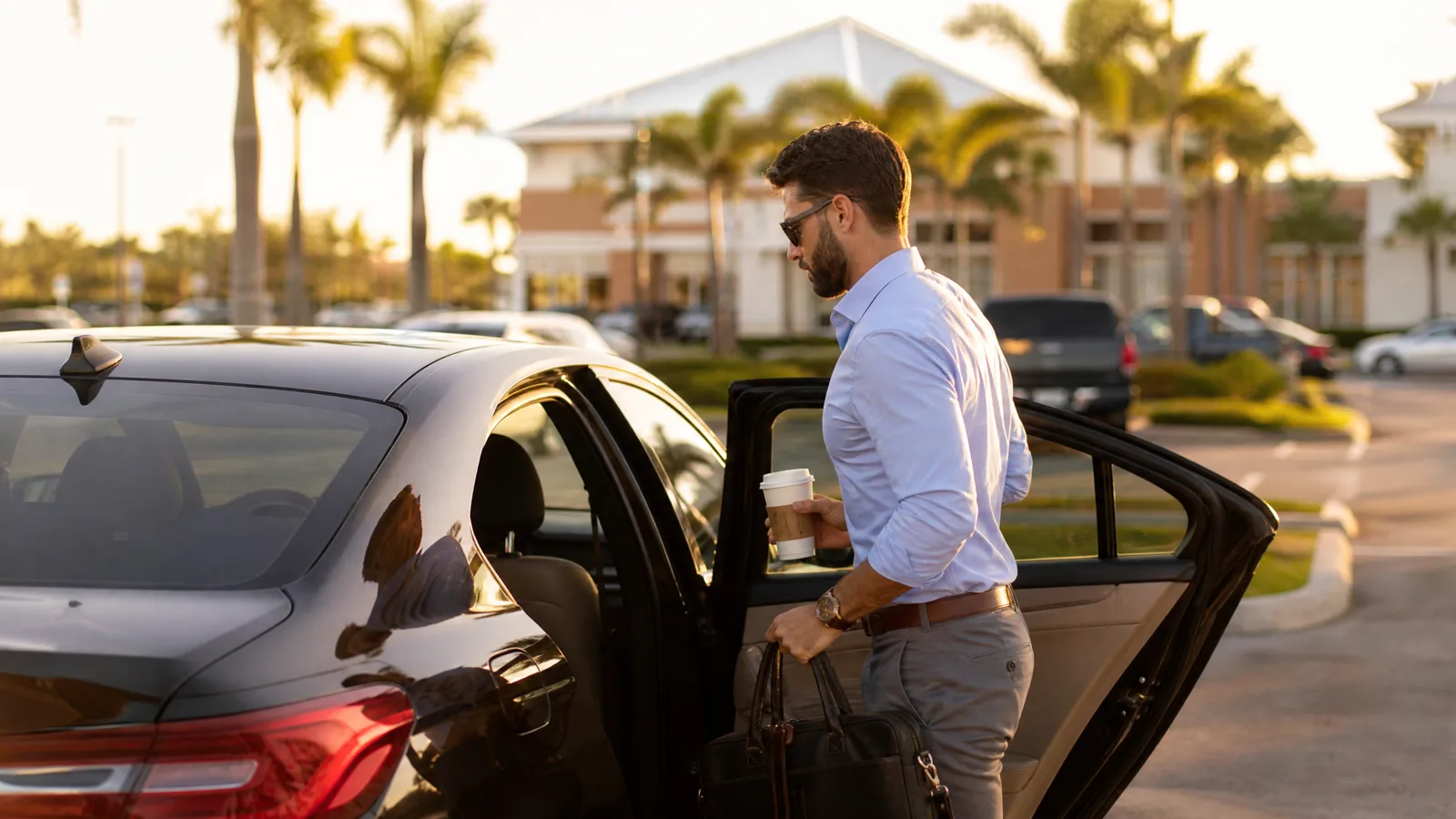
If any employee ever drives their own car for a work errand, or your business ever rents a truck, you have an auto exposure even without owning a single vehicle. Hired and non-owned auto is the endorsement that protects the business from those claims. Here is exactly how its two parts work, why it's usually secondary, and the physical-damage gap most owners miss.
At a Glance
- Structure
- 1 endorsement, 2 parts
- Hired
- Rented / borrowed autos
- Non-owned
- Employees' own cars
- Typically
- Secondary / excess
Quick answer
Hired and non-owned auto (HNOA) is one endorsement with two parts that protects your business when vehicles it does not own are used for business. 'Hired auto' covers your business's liability when it rents, leases, or borrows a vehicle — like a box truck for a one-day move. 'Non-owned auto' covers your business when an employee drives their own personal vehicle for work — a client run, a bank deposit, a delivery. In both cases HNOA protects the business entity from lawsuits; it is usually secondary coverage that sits behind the rental company's or the employee's own auto policy, and it does not pay for physical damage to the vehicle itself. Ellie Insurance Group is an independent agency based in Tampa, Florida that shops 100+ carrier markets to add HNOA to a commercial auto policy, BOP, or general liability package.
Who needs this
Who most needs hired & non-owned auto
Any business with employees who drive their own cars
Bank runs, supply pickups, client visits — the most common and most overlooked auto exposure.
Businesses that rent or borrow vehicles
Renting a box truck, van, or trailer for a project or move creates a hired-auto exposure.
Service and trade businesses
Techs and staff running between jobsites in personal vehicles.
Professional and office firms with no fleet
Even a purely office-based firm has non-owned exposure the moment staff drive for work.
Contractors requiring subs to travel
Frequent personal-vehicle use between sites and suppliers.
Any business a GC or client asks to show auto coverage
Contracts often require auto liability even when you own no vehicles — HNOA satisfies it.
What it covers
What HNOA covers — and how the two parts differ
One endorsement, two distinct exposures. Getting both parts on the policy is what closes the gap.
- Hired auto — business liability
Protects the business when a vehicle it rents, leases, or borrows is in an at-fault accident during business use.
- Non-owned auto — business liability
Protects the business when an employee's or partner's personal vehicle is used for business and causes an accident.
- Bodily injury & property damage to others
Both parts cover the injuries and damage the business becomes liable for — not the vehicle itself.
- Legal defense
Defense of the business against auto liability claims arising from hired or non-owned vehicle use.
- Excess over primary coverage
Typically sits behind the rental company's coverage or the employee's personal auto policy.
What it doesn't cover
Where HNOA does NOT respond
HNOA is business liability coverage — it deliberately leaves several things to other policies.
- Physical damage to the hired vehicle (needs a physical-damage waiver/endorsement)
- Physical damage to the employee's personal vehicle (their collision coverage)
- Vehicles the business actually owns (that's commercial auto)
- Regular delivery or rideshare/for-hire use (often excluded or limited)
- The employee's own injuries (workers' compensation responds to that)
- Intentional acts or use outside the scope of business
Cost drivers
What drives HNOA pricing
Number of potential drivers
How many employees could drive their own vehicle for business.
Frequency of hired-vehicle use
How often the business rents or borrows vehicles.
Nature of the driving
Occasional errands rate very differently from routine delivery-style use.
Limits selected
Higher liability limits raise premium but are inexpensive relative to owned-auto coverage.
Loss history
Prior auto claims affect placement and pricing.
Attachment point
Whether HNOA attaches to commercial auto, a BOP, or a GL package.
Quote checklist
What we'll need to quote HNOA
- Roughly how many employees may drive personal vehicles for work
- How often the business rents or borrows vehicles
- Whether any driving is delivery or for-hire in nature
- Whether you own any vehicles (existing commercial auto?)
- Desired liability limit
- Any contract or GC requirement for auto liability
- Prior auto loss history
A worked example
How HNOA responds when an employee's own insurer steps back
This is the classic non-owned scenario that catches business owners off guard.
An office manager uses their personal car to drop off a deposit at the bank — a routine work errand. On the way, they cause an at-fault accident with $180,000 in injuries to the other driver.
The employee's personal auto policy is primary, but it carries only $100,000 in liability — and the personal insurer scrutinizes the business use. The injured party, seeing a business errand, sues the company as well as the driver.
The business's non-owned auto liability defends the company and responds excess of the employee's $100,000 — covering the remaining exposure and the company's defense. Without non-owned coverage, the business's general liability policy would not respond at all, because it excludes auto claims — leaving the company exposed out of pocket.
Note what HNOA did not do: it did not repair the employee's own car. That's their collision coverage. HNOA protects the business.
Two parts, side by side
Hired vs. non-owned at a glance
The two halves of the endorsement answer two different questions. We confirm both are on the policy.
- Hired auto
Vehicle the business rents, leases, or borrows. Protects the business's liability during business use. Usually excess of the rental company's coverage. Does not cover damage to the rented vehicle.
- Non-owned auto
Employee's or partner's personal vehicle used for business. Protects the business's liability. Excess of the driver's personal policy. Does not cover the employee's own vehicle.
- What both cover
The business entity's liability for bodily injury and property damage to others, plus legal defense.
- What neither covers
Physical damage to the vehicle, the driver's own injuries (workers' comp), and owned vehicles (commercial auto).
Do employees ever run errands in their own cars?
FAQ
Frequently Asked Questions
- They are two parts of one endorsement. Hired auto applies to vehicles your business temporarily uses but does not own — vehicles you rent, lease, or borrow, like renting a box truck for a one-day move. Non-owned auto applies to personal vehicles owned by employees or partners that are used temporarily for business, such as an employee driving their own car to a client meeting or to run a company errand. Both protect the business entity, not the vehicle.
- Very likely yes. The classic gap is the employee who uses their own car for work — a bank deposit, a supply run, a client visit. If they cause an at-fault accident, the injured party can sue your business, and your general liability policy will not respond to an auto claim. Non-owned auto liability is what protects the business in that scenario, which is why it's an E&O best practice for agents to recommend it to commercial clients.
- It is usually secondary (excess). For a hired vehicle, the rental company's coverage and the driver's applicable coverage generally respond first, and hired-auto liability fills the gap above those limits. For a non-owned auto, the employee's own personal auto policy is primary, and non-owned coverage steps in if the personal limits are exhausted or if the personal insurer denies the claim because the vehicle was being used for business.
- No — this is the gap most owners miss. HNOA provides liability protection for injuries and damage the business causes to others; it does not pay for physical damage to the hired or non-owned vehicle. If you rent a truck and damage it, you need a separate physical-damage endorsement or the rental company's damage waiver. If an employee wrecks their own car on the job, their personal collision coverage — not HNOA — addresses their vehicle.
- Most personal auto policies contain a business-use limitation or exclusion. If an employee has an accident while making deliveries or running frequent company errands, the personal insurer may reduce or deny the claim on that basis. That is precisely the scenario where the business's non-owned auto coverage becomes important — both for the business's own liability and because the personal policy may not fully respond.
- Not automatically, and this is a critical caution. Regular delivery operations and rideshare/for-hire activity are materially different exposures that many HNOA forms and personal policies exclude or limit. If your business does deliveries, tell your agent — that use case often needs a purpose-built commercial auto or hired/delivery solution rather than a standard HNOA endorsement.
- Because it is typically excess and covers no owned vehicles, HNOA is usually inexpensive relative to full commercial auto. Pricing considers the number of employees who might drive for business, the frequency of hired-vehicle use, the limits selected, and the nature of the driving. It's one of the most cost-effective gaps to close for a business without an owned fleet.
Keep reading
Explore related coverage
Commercial Auto
HNOA is usually added to or alongside the commercial auto policy.
General Liability
HNOA can attach to a GL or BOP for businesses with no owned autos.
Business Owners Policy
Many BOPs can add HNOA by endorsement.
Workers' Compensation
Covers the employee's injury; HNOA covers the business's liability to others.
Umbrella / Excess
Sits above HNOA limits for larger auto claims.
Commercial Auto Cost Guide
How auto exposures affect premium.
Sources
Authoritative references
Coverage descriptions and regulatory figures on this page are general summaries reviewed against the references above and are not a statement of coverage, legal advice, or a guarantee of eligibility or price. Last reviewed . Requirements and policy terms change — always confirm current rules with the relevant agency and verify coverage against the actual policy and a licensed agent.
Carrier access
Access to 100+ A-rated commercial markets
As an independent agency we shop 100+ admitted and surplus-lines carrier markets — so the carrier competes for your business, not the other way around.


































+75 more
Next step
Close your hired and non-owned auto gap
Tell us whether employees ever drive their own cars for work and how often you rent or borrow vehicles. An Ellie agent can add HNOA to your commercial auto, BOP, or GL and confirm whether you also need physical-damage protection on hired vehicles.